
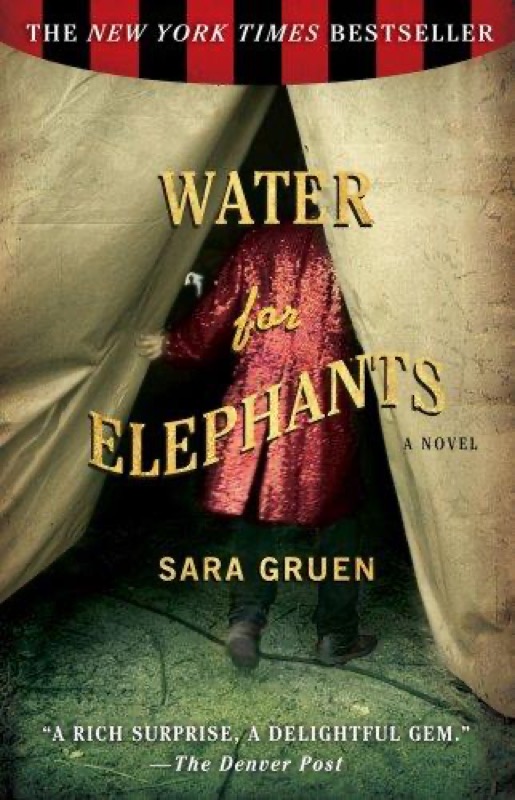
Water for Elephants
2011 · 120 min
2011 Depression-era circus romance.
Hook & thesis
In Water for Elephants, the cinematic adaptation of Sara Gruen’s novel, the real spectacle lies not in the romantic entanglements of its protagonists, but in the haunting shadows of human cruelty and the fragility of dreams amid desperation. Verdict: This film straddles the line between poignant gothic romance and a bleak portrayal of survival, ultimately revealing that love can flourish even in the darkest of circuses.
The contextual pivot
Set against the backdrop of the Great Depression, Water for Elephants enters the adaptation landscape as a faithful rendition, directed by Francis Lawrence, who had previously helmed the darker themes of I Am Legend. This period-drama reinvigorates the 1930s American circus, invoking a sense of nostalgia while grappling with the undercurrents of exploitation and desperation that characterize the era. The invisible audience here encompasses those yearning for a blend of romance and gothic sensibility, reflecting societal struggles through a lens of both glamour and decay.
Deep-dive critique
The film’s cinematography, led by Rodrigo Prieto, crafts a visually rich tapestry that contrasts the vibrant circus with the grim realities of its workers. The mise-en-scène is punctuated by the meticulous detail of the circus environment, from the vibrant costumes to the haunting animal acts, encapsulating a world of beauty marred by suffering. However, pacing falters in the film’s middle act, where moments drag, diluting the tension that the narrative builds.
In terms of performance, Reese Witherspoon’s Marlena is a captivating presence, embodying both strength and vulnerability, while Christoph Waltz’s August exudes a menacing charm that underscores the film’s dark heart. Robert Pattinson’s Jacob, though earnest, occasionally lacks the depth necessary to fully resonate against the visceral backdrop of circus life.
The score by James Newton Howard enhances the emotional layers, threading a delicate balance between romance and despair, but at times it veers into melodrama, overshadowing key moments that could stand on their own. The film’s ending, while faithful to the source text, feels somewhat diluted in its impact, lacking the raw emotional punch that Gruen’s prose delivers.
Adaptation ledger
- Character Depth: Marlena’s backstory is more fleshed out in the film, providing a clearer motive for her actions.
- Violence Depiction: The novel’s more graphic depictions of animal cruelty are toned down, making the film more palatable for a wider audience.
- Plot Compression: Certain subplots, including Jacob’s relationship with the circus community, are streamlined, sacrificing some character interactions for pacing.
- Romantic Focus: The film emphasizes the romance more heavily, slightly overshadowing the darker critique of the circus industry present in the novel.
- Ending Convergence: The resolution aligns with the book but lacks the same emotional resonance, leaving viewers yearning for more depth.
Discussion launchpad
The juxtaposition of Water for Elephants as both a romantic escapade and a gothic exploration of human nature presents a fertile ground for discussion. How do the film’s visual elements enhance or detract from the source material’s themes? The adaptation leans heavily into its romantic plot, possibly alienating those who sought a deeper engagement with its darker themes.
Questions for the room:
- Does the film adequately capture the gothic undertones present in Gruen’s novel?
- How does the portrayal of animal cruelty resonate differently across the mediums of literature and film?
- In what ways does the ending of the film shift the narrative’s impact compared to the book?
- Does the film’s romantic focus detract from the critique of the circus or enhance it?
- How do the performances compare to the characterizations in the novel, and what does this mean for adaptation fidelity?