
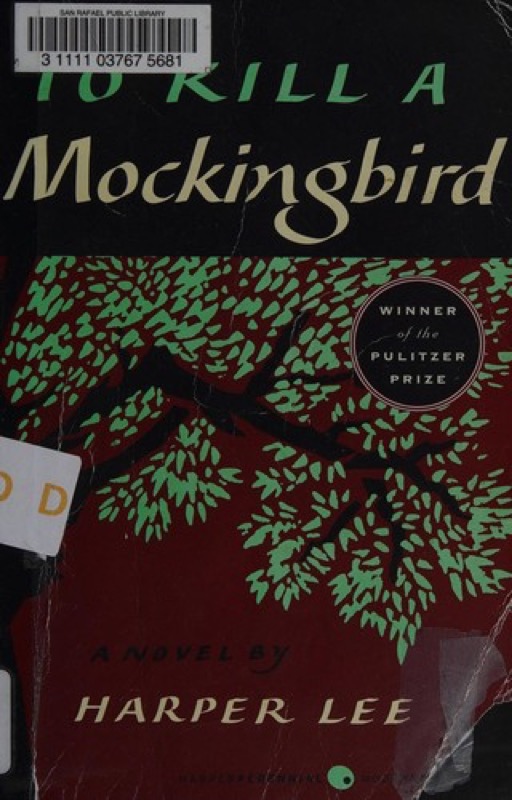
To Kill a Mockingbird
1962 · 129 min
1962 classic adaptation of Harper Lee's moral landmark.
Hook & thesis
To Kill a Mockingbird, directed by Robert Mulligan, is a poignant adaptation of Harper Lee’s classic novel that explores themes of morality and justice through the eyes of a child. Verdict: This film beautifully captures the heart of its source material, showcasing the complexity of human nature with both grace and depth.
The contextual pivot
Set against the backdrop of the 1960s, this cinematic adaptation emerged during a time of significant social change in America, particularly concerning civil rights. The film stands as a remarkable piece in the adaptation landscape, highlighting director Robert Mulligan’s commitment to storytelling that emphasizes empathy and understanding. The invisible audience includes both children and adults, reflecting a cultural moment where discussions of justice and human dignity were crucial.
Deep-dive critique
Mulligan’s direction shines in its ability to maintain a childlike perspective while addressing adult themes, allowing audiences to engage with the narrative on multiple levels. The cinematography, led by director of photography Russell Harlan, employs soft lighting and close-up shots to evoke a sense of intimacy and innocence. The performances, particularly Gregory Peck as Atticus Finch, exude moral fortitude, creating a powerful anchor for the film’s themes. The score, composed by Elmer Bernstein, beautifully complements the film’s emotional highs and lows, enhancing moments of tension and reflection. Moreover, the pacing effectively balances heartfelt scenes with moments of tension, creating a compelling narrative flow that earns its emotional impact.
Adaptation ledger
- Atticus Finch’s moral complexity is preserved, showcasing his dedication to justice.
- Scout’s perspective is maintained, allowing viewers to witness events through her innocent eyes.
- The trial scenes are dramatized for cinematic effect, heightening tension without sacrificing fidelity to the source.
- Minor characters like Boo Radley are more visually present, showcasing their significance in Scout’s journey.
- Some dialogue is adapted to enhance clarity while preserving the essence of Lee’s prose.
Discussion launchpad
The film offers an engaging contrast to the novel, sparking debates on the portrayal of racism and justice across mediums. While it remains faithful, some viewers may question how effectively it translates the deeper nuances of Lee’s writing. Questions for the room:
- How do the film’s visual elements enhance or detract from the novel’s themes?
- In what ways does the film simplify or deepen our understanding of racial issues?
- Are there characters or scenes from the book that you feel were underrepresented or altered?
- How does Atticus Finch’s portrayal differ between the book and the film?
- Does the film’s ending satisfyingly conclude the moral dilemmas presented in the narrative?