
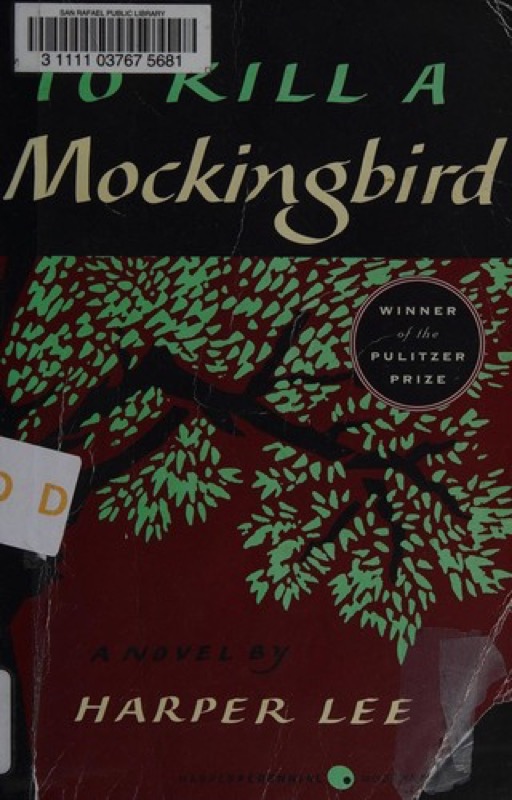
To Kill a Mockingbird
Hook & thesis
Harper Lee’s To Kill a Mockingbird serves as a poignant exploration of racial injustice and moral growth in the American South during the 1930s. Verdict: This novel stands as a timeless critique of societal prejudice, encapsulating the struggle for empathy amidst deep-rooted racism.
The contextual pivot
Positioned within the Southern Gothic genre, Lee’s work addresses themes of morality and human decency through its rich character development and vivid setting. Unlike typical dark thrillers that lean heavily on suspense and tension, Lee’s narrative embraces a coming-of-age framework, revealing the complexities of human behavior. The book resonates with a wide audience, offering insights into the invisible struggles of marginalized communities while bridging niche tropes to appeal to general readers seeking social consciousness.
Deep-dive critique
Lee’s structure effectively employs a child’s perspective, allowing readers to navigate the moral landscape through Scout Finch’s innocent yet perceptive observations. The pacing is deliberate, which amplifies the thematic tension surrounding justice and morality. Lee’s prose, rich with imagery and dialect, adds authenticity to the setting of Maycomb, Alabama, yet at times can feel overly nostalgic and slow. Characters like Atticus Finch shine as paragons of virtue, while others, such as Bob Ewell, represent entrenched evil, creating a stark moral dichotomy. The dialogue is both natural and revealing, effectively conveying the underlying societal tensions. The ending, while hopeful, raises questions about the permanence of social change, making it both earned and provocative.
Discussion launchpad
The novel’s exploration of deep societal issues leads to significant polarities that can ignite discussion among readers.
- How does Lee balance the innocence of childhood with the harsh realities of racism?
- Does the character of Atticus Finch uphold a realistic moral standard, or does he represent an unattainable ideal?
- In what ways does the setting act as a character in its own right?
Questions for the room:
- What role does perspective play in shaping our understanding of justice in the novel?
- How do the themes of empathy and moral courage resonate in today’s society?
- Can the novel’s portrayal of racism be considered relevant in contemporary discussions about social justice?
#LitClass #Grade11 #RequiredReading #classic #socialjustice