
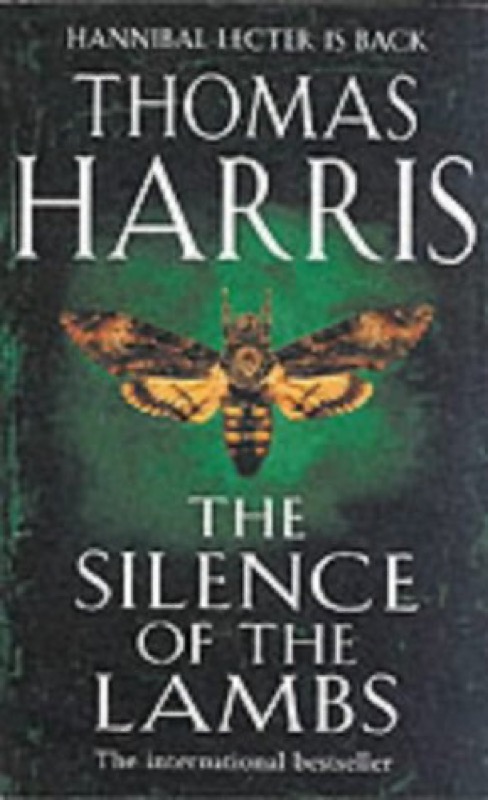
The Silence of the Lambs
1991 · 118 min
1991 Demme masterpiece from Thomas Harris's procedural horror.
Hook & thesis
In the 1991 film The Silence of the Lambs, directed by Jonathan Demme, the adaptation aims to explore the complex human psychology underlying fear and manipulation. Verdict: This film successfully translates the intricate dance of intellect and horror from page to screen, creating an unforgettable psychological thriller.
The contextual pivot
The Silence of the Lambs stands as a significant entry in the psychological-thriller genre, reflecting the cultural fascination with criminal profiling during the early 1990s. Director Jonathan Demme’s vision emphasizes character-driven storytelling, capturing the chilling yet compelling interactions between Clarice Starling and Hannibal Lecter. The film speaks to an audience eager for depth in its horror, particularly in an era when thrillers were transitioning towards more psychological complexity.
Deep-dive critique
Demme’s direction shines through in the meticulous mise-en-scène, which encapsulates the claustrophobic tension of both the characters’ environments and their psyches. The cinematography, particularly the use of close-ups, allows the audience to engage deeply with the characters’ emotions, notably Jodie Foster’s portrayal of Clarice Starling, which is both vulnerable and resilient. The editing maintains a brisk yet suspenseful pace that keeps viewers on edge, particularly during pivotal moments of revelation. Howard Shore’s score subtly enhances the film’s unsettling atmosphere without overshadowing the narrative’s intensity, maintaining a perfect balance of sound and silence.
Adaptation ledger
- The character development of Clarice Starling was faithfully retained, emphasizing her determination and intelligence.
- Key dialogues between Lecter and Starling were lifted directly from the book, maintaining the psychological tension.
- Some scenes were condensed or altered to fit the cinematic format, such as the backstory of Buffalo Bill, which was streamlined for pacing.
- The film’s ending aligns closely with the novel, but it emphasizes a more visual climax, enhancing suspense for the audience.
Discussion launchpad
The adaptation of The Silence of the Lambs raises intriguing comparisons between the depth of the source material and the film’s interpretation of horror as a psychological construct. Questions for the room:
- How does the film’s portrayal of violence compare to that in the novel?
- In what ways do the performances of Foster and Hopkins enhance or diverge from the characters as written?
- Does the cinematic medium heighten or diminish the themes of the source material?
- What might have been added or lost by the changes made in adaptation?