
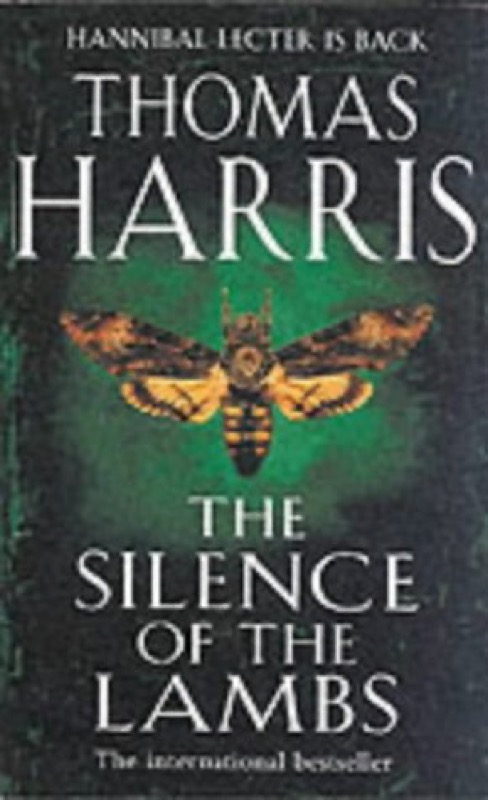
The Silence of the Lambs (Hannibal Lecter, #2)
Hannibal Lecter Series
Hook & thesis
In The Silence of the Lambs, Thomas Harris crafts a psychological thriller that probes the depths of human depravity while exploring the complexities of empathy and manipulation. Verdict: This novel transcends mere horror, revealing a profound conflict between the desire for connection and the instinct for survival amidst grotesque circumstances.
The contextual pivot
Positioned within the dark-thriller genre, The Silence of the Lambs stands out in Harris’s oeuvre as a masterclass in psychological tension and character interplay. Comparatively, it shares thematic elements with Patricia Highsmith’s Strangers on a Train and Stephen King’s Misery, both of which delve into the darker corners of human psychology. Harris’s narrative bridges the niche tropes of horror and crime fiction, appealing not only to genre enthusiasts but also to a general audience drawn to the intricate study of the human psyche.
Deep-dive critique
Harris’s structure, particularly the dual perspectives of Clarice Starling and Hannibal Lecter, serves as a compelling vehicle for exploring themes of power and vulnerability. The nonlinear timeline heightens suspense; flashbacks are strategically placed to deepen character backgrounds without detracting from the narrative drive. The prose is sharp and deliberate, often mirroring the clinical nature of its subject matter, which enhances the chilling atmosphere. For instance, the dialogue between Clarice and Hannibal is a masterclass in subtext, revealing their complex relationship dynamics while keeping the reader on edge. However, some may argue that the graphic violence and horror might overshadow the thematic depth for certain readers, potentially alienating those who seek a more subtle exploration of fear. The ending, while climactic, can be divisive; it provides resolution yet leaves lingering questions about the nature of evil and morality, ultimately earning its place in the narrative arc.
Discussion launchpad
The novel’s exploration of the fine line between savagery and sophistication raises polarizing perspectives on the portrayal of violence and its implications on empathy.
Questions for the room:
- Does the graphic depiction of violence serve a purpose in developing the narrative, or does it detract from the story’s thematic richness?
- How does the relationship between Clarice and Hannibal challenge traditional gender roles in thrillers?
- In what ways does Harris succeed or fail in balancing horror with psychological insight?
- What moral ambiguities arise from the characters’ actions, and how do they reflect societal fears?
- How does the ending influence your interpretation of the themes presented throughout the novel?
#LiteraryAnalysis #darkthriller #psychologicalthriller #theorchidroom #literaryanalysis