
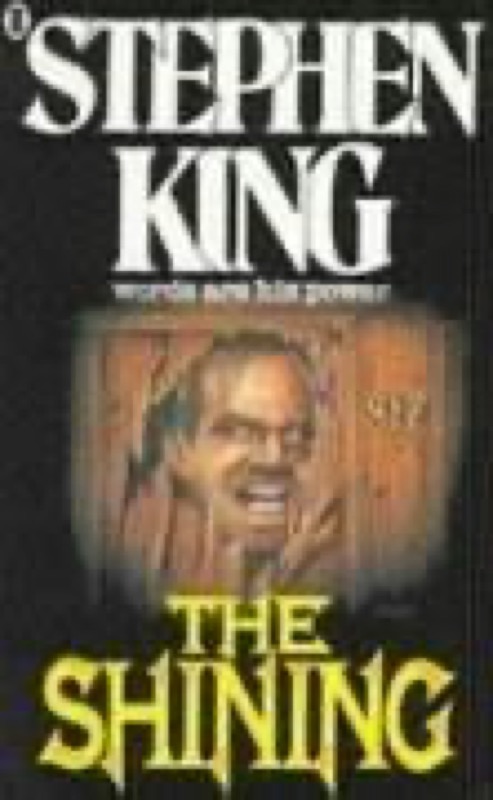
The Shining
1980 · 146 min
1980 Kubrick reimagining of Stephen King's haunted hotel novel.
Hook & thesis
Stanley Kubrick’s The Shining is a psychological thriller that brilliantly transforms Stephen King’s haunted hotel novel into a chilling cinematic experience. Verdict: This film is a masterclass in visual storytelling that captivates as it diverges from its source material, creating a unique atmosphere of dread and isolation.
The contextual pivot
Released in 1980, The Shining sits as a significant entry in the horror genre, showcasing Kubrick’s distinct vision that often transcends traditional narrative forms. This adaptation reimagines King’s novel, focusing more on psychological horror than supernatural elements. The film speaks to the cultural moment of the late 70s and early 80s, where audiences craved intense emotional experiences, fundamentally shifting perceptions of fear and tension in cinema.
Deep-dive critique
Kubrick’s direction excels in creating a hypnotic atmosphere through meticulous cinematography and sound design. The sweeping shots of the Overlook Hotel, particularly the iconic trike sequences, immerse the audience in Danny’s perspective. The editing, characterized by long takes and abrupt cuts, enhances the disorientation felt by both characters and viewers alike. Jack Nicholson’s performance as Jack Torrance is hauntingly memorable, embodying a slow descent into madness that feels both surreal and terrifying. The score, featuring eerie music and unsettling silences, effectively heightens tension and sets a tone that lingers long after viewing. However, the film’s departure from specific plot points can lead to a disconnect for those familiar with the novel, as it emphasizes psychological complexity over the original’s explicit horror.
Adaptation ledger
- Characterization: Jack Torrance’s motivations are explored more deeply in the film, diverging from the novel’s portrayal.
- Ending: The film’s conclusion, with its ambiguous fate, differs significantly from the book’s more definitive resolution.
- Omissions: Many subplots and character arcs from the novel are omitted, streamlining the narrative to focus on psychological tension.
- Visual Elements: Kubrick invented the famous hedge maze, which adds a new layer of symbolism not present in the book.
Discussion launchpad
The adaptation polarizes opinions on how well it captures the essence of King’s work. Some argue Kubrick’s changes enhance emotional depth, while others believe it loses the narrative’s core. Questions for the room:
- How does the film’s psychological focus alter our understanding of fear compared to the novel?
- What are the implications of the film’s ambiguous ending?
- In what ways does the visual storytelling overshadow the original narrative?
- How do you feel about the omission of character backgrounds and subplots?