
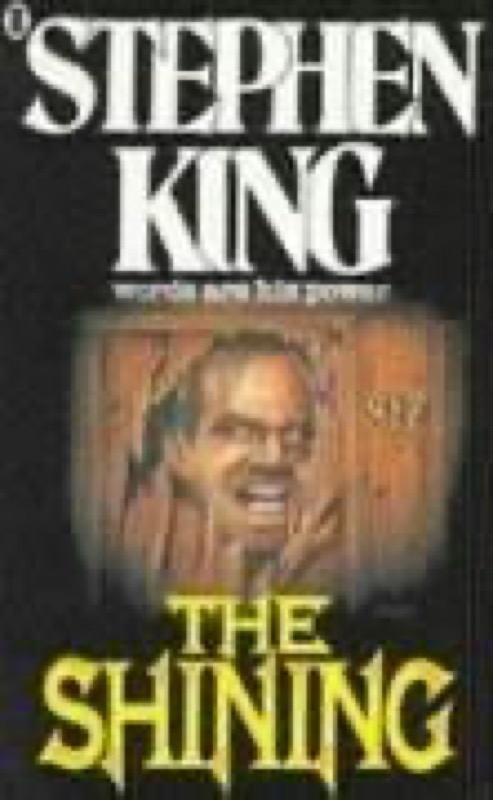
The Shining (The Shining, #1)
The Shining, #1
Hook & thesis
Stephen King’s The Shining is a masterclass in psychological horror that probes the darkest recesses of familial love and the insidious nature of isolation. Verdict: This novel serves as a chilling reminder that the true horror often dwells within the human psyche, revealing how love can twist into obsession and violence.
The contextual pivot
As a seminal work in the gothic-horror-romance genre, The Shining stands alongside classics like Shirley Jackson’s The Haunting of Hill House and Henry James’s The Turn of the Screw, but it carves its own niche through the exploration of domestic terror within the confines of the Overlook Hotel. King’s ability to intertwine themes of isolation, mental illness, and family dynamics resonates with a broad audience, bridging niche horror tropes to those who may not typically venture into the genre. This novel serves both as a gripping psychological study and a portrayal of how external and internal hauntings can lead to devastating consequences.
Deep-dive critique
King’s narrative structure plays a crucial role in amplifying the tension and dread that permeate The Shining. The shifting point of view allows readers to experience the unraveling minds of Jack, Wendy, and Danny Torrance distinctly, enabling a deeper understanding of their fears, desires, and gradual descent into madness. The pacing is deliberate, employing a slow burn that mirrors the characters’ psychological decline, culminating in a climax that feels both inevitable and shocking.
Craft-wise, King’s prose is rich and evocative, with vivid descriptions of the Overlook Hotel acting almost as a character itself. The symbolism woven throughout—particularly the hedge maze and the haunting echoes of the past—enhances the narrative, illustrating how deeply the past affects the present. However, some may argue that certain dialogue moments feel overly expository, nudging into melodrama rather than subtlety. Still, the haunting atmosphere and the themes of addiction and familial obligation are compellingly drawn, making the ending both earned and resonant with the reader’s lingering unease.
Discussion launchpad
The juxtaposition of love and horror presents rich ground for debate, drawing attention to how familial bonds can morph into sources of fear and control. How does King balance horror with tenderness, and where might this balance falter for some readers?
Questions for the room:
- How do isolation and the setting of the Overlook Hotel serve as metaphors for internal struggle?
- In what ways does The Shining challenge or reinforce traditional notions of family dynamics?
- How does King’s portrayal of mental illness reflect or distort reality, and what implications does this have for his characters?
- What role does addiction play in the narrative, and how does it shape the characters’ fates?
- Can the reader sympathize with Jack Torrance, or does his descent into madness render him irredeemable?
#TheOrchidRoom #gothic #horrorromance #familydynamics #darkheartlabs