
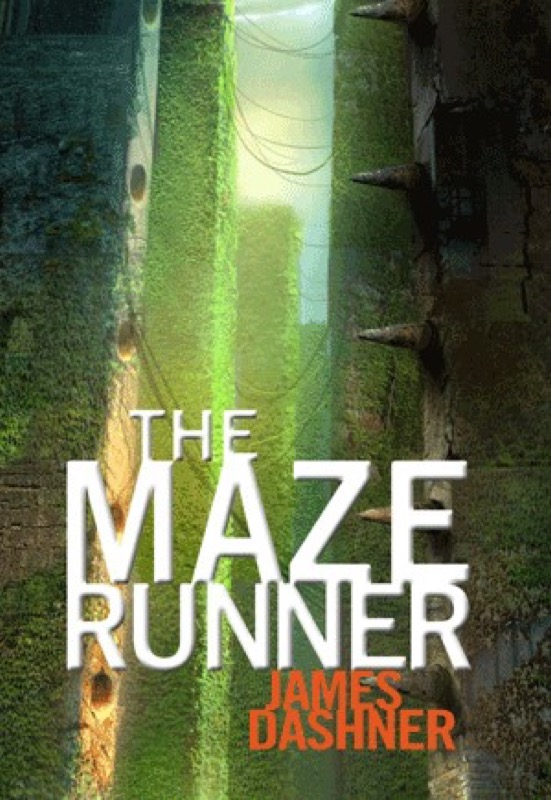
The Maze Runner
2014 · 113 min
2014 adaptation of James Dashner's maze survival thriller.
Hook & thesis
In Wes Ball’s adaptation of The Maze Runner, the film grapples with the existential dread of adolescence trapped within a mechanized labyrinth, yet ultimately falters in its fidelity to the haunting depth of James Dashner’s source material. Verdict: This cinematic translation sacrifices much of the original’s psychological complexity for a palatable survival thriller, leaving a hollow echo where rich thematic resonance should reside.
The contextual pivot
Released in 2014, The Maze Runner positions itself within the burgeoning dystopian genre landscape, riding the coattails of earlier successes like The Hunger Games. Wes Ball, a first-time feature director, injects a palpable urgency into the narrative while navigating the treacherous waters of adapting a beloved YA series. The film speaks to a generation grappling with themes of control and autonomy, echoing the anxieties of young adults navigating a world rife with societal constraints, yet the invisible audience is often left yearning for the deeper philosophical inquiries that the novel hints at but the film neglects.
Deep-dive critique
The film opens with a frenetic pace that, while gripping, often sacrifices character development for action. The cinematography, marked by sweeping aerial shots of the maze juxtaposed with claustrophobic close-ups, does well to evoke the disorientation of the Gladers. However, the editing suffers from erratic pacing; crucial moments of introspection are cut short, robbing the audience of the emotional heft that emerges from the characters’ struggles. Dylan O’Brien’s portrayal of Thomas captures the character’s naïve bravery, yet the supporting cast, including Kaya Scodelario’s Teresa, is underwritten, leaving viewers with a shallow understanding of their motivations.
The score, pulsating with tension, complements the visual chaos but lacks the thematic weight necessary to elevate the film beyond a mere thrill ride. The sound design, while effective in creating a sense of dread, often overshadows the quieter moments of the narrative, which could have added to the film’s unsettling atmosphere. Ultimately, the ending, a cliffhanger that feels more like a setup for sequels than a resolution, echoes this dissonance — it is neither earned nor aligned with the emotional stakes raised earlier in the film.
Adaptation ledger
- Character backstories omitted: The film foregoes significant character development, particularly for Minho and Teresa, which dilutes their motivations.
- Altered maze dynamics: The movie simplifies the nature of the maze’s challenges, losing the book’s psychological depth associated with the trials.
- Missing internal monologues: The rich internal conflicts portrayed in Dashner’s narrative are largely absent, stripping the characters of their inner turmoil.
- Inclusion of action sequences: The addition of action-packed scenes, such as the Griever confrontations, enhances visual appeal but detracts from thematic exploration.
- Final reveal: The adaptation’s conclusion offers less closure than the source, setting the stage for sequels rather than resolving character arcs.
Discussion launchpad
The divergence between the novel and film adaptation raises compelling questions about fidelity and thematic integrity. While The Maze Runner aims to deliver high-octane entertainment, it ultimately glosses over the profound existential themes present in the original text, creating a stark contrast that polarizes fans of the book and casual viewers alike.
Questions for the room:
- Does the omission of character depth in adaptations signal a broader trend in cinematic storytelling?
- Can adaptations succeed without fidelity to the source material’s thematic core?
- How does the pacing of a film impact its ability to convey complex themes?
- Is the reliance on action sequences a necessary evil in modern adaptations of YA literature?
- How do the film’s aesthetic choices enhance or detract from its narrative?