
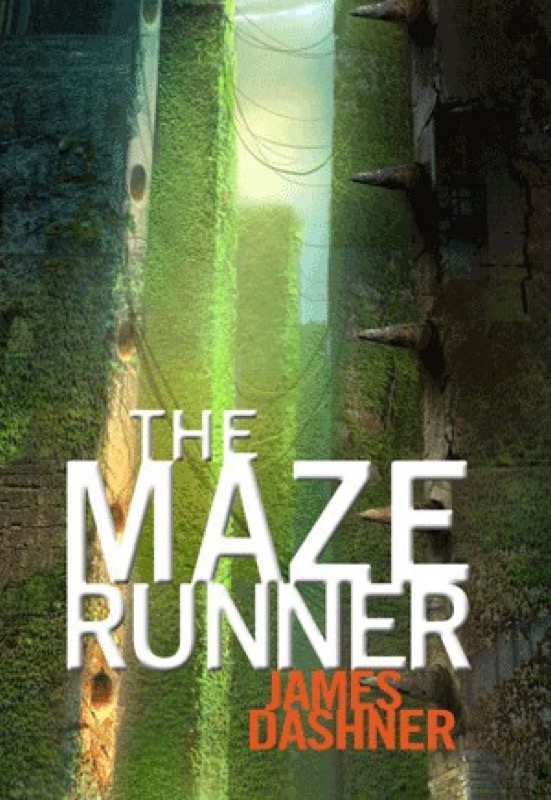
The Maze Runner (The Maze Runner, #1)
The Maze Runner Series
Hook & thesis
The Maze Runner by James Dashner intricately explores themes of survival and identity amid its fast-paced, dystopian narrative. The true engine of this book is the struggle for autonomy in a controlled environment, as characters wrestle not only with external obstacles but also with the essence of their own memories and identities. Verdict: This gripping tale of resilience, while engaging, ultimately falters in its character development and thematic depth.
The contextual pivot
As a cornerstone of young adult dystopian literature, The Maze Runner situates itself within a genre that thrives on high-stakes conflict and moral ambiguity. Dashner’s work aligns with contemporaries like Suzanne Collins’ The Hunger Games, where survival often eclipses individual desires and choices. However, while Collins delves into socio-political commentary, Dashner’s focus remains on the immediate thrill of survival and the mystery of the maze, appealing primarily to an audience craving adrenaline over intricate thematic exploration. The narrative effectively bridges niche tropes of survival and mystery to a wider readership, yet it risks alienating those who seek deeper emotional or philosophical engagement.
Deep-dive critique
The structure of The Maze Runner is designed to enhance suspense, employing a limited third-person point of view that confines readers to the protagonist Thomas’s experiences and perceptions. This choice creates an immediate sense of urgency; however, it also limits the emotional resonance of secondary characters—often rendered as mere archetypes, serving solely to propel the plot or offer exposition. Dashner’s prose is straightforward and efficient, which complements the pacing but lacks the richness that could elevate the narrative. Dialogue often feels stilted, relying on cliches that detract from character authenticity. For instance, the frequent repetition of phrases like “You have to trust me” showcases a reliance on tropes that does not develop relationships meaningfully. The world-building is intriguing, with the maze serving as a potent symbol of entrapment and the struggle for freedom, yet it remains underexplored, leaving many thematic threads dangling. The ending, while thrilling, feels rushed and does not fully reward the buildup of tension throughout the novel.
Discussion launchpad
The Maze Runner is rife with polarizing elements that could ignite passionate discussions. Readers may grapple with the depth of character development and the narrative’s reliance on conventional tropes.
Questions for the room:
- Does the excitement of the plot justify the lack of character depth?
- How does the maze function as a metaphor for personal and societal challenges?
- What are the implications of memory manipulation in the context of identity?
- Can a story prioritize action over character development and still resonate deeply?
- In what ways does Dashner successfully or unsuccessfully engage with genre conventions?
#LiteraryAnalysis #darkthriller #dystopian #young-adult #theorchidroom