
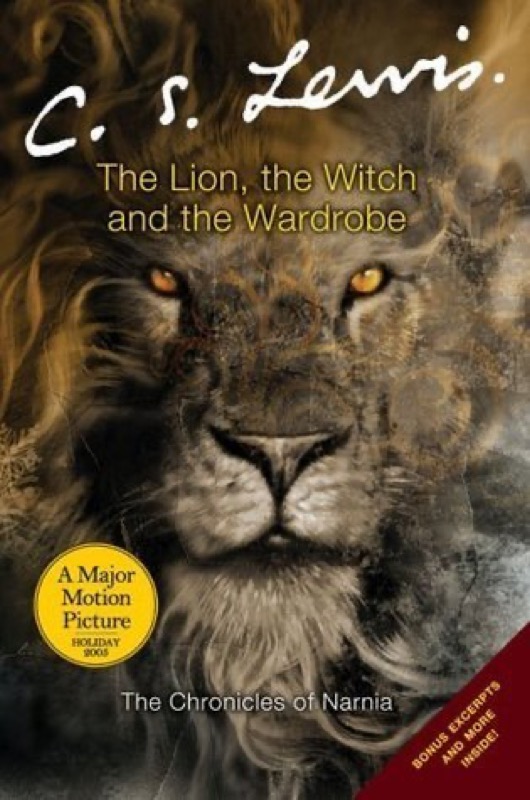
The Chronicles of Narnia: The Lion, the Witch and the Wardrobe
2005 · 143 min
2005 Walden Media adaptation of Lewis's wardrobe portal fantasy.
Hook & thesis
In Andrew Adamson’s adaptation of The Chronicles of Narnia: The Lion, the Witch and the Wardrobe, the film endeavours to capture the essence of C.S. Lewis’s beloved portal fantasy while navigating the complexities of faith, sacrifice, and childhood innocence. Verdict: This cinematic rendering succeeds in its artistic ambition, creating a visually stunning world that resonates with the source material’s thematic core.
The contextual pivot
This film resides within the rich tapestry of fantasy adaptations that emerged in the early 2000s, a period brimming with cinematic explorations of myth and magic, most notably influenced by the successes of The Lord of the Rings series. Andrew Adamson, known for his work on animated features, approaches this live-action adaptation with a blend of whimsy and gravitas, ensuring that the film remains accessible to both children and adults alike. Released in 2005, the film aligns with a cultural moment focused on family narratives and epic storytelling, catering to an audience eager for escapism but also confronting moral dilemmas and themes of good versus evil.
Deep-dive critique
The film excels in its visual storytelling, utilizing lush cinematography to bring the land of Narnia to life. The sweeping landscapes and intricate set designs evoke a sense of wonder, contrasting the harshness of the White Witch’s reign with the vibrant life of Aslan’s kingdom. The pacing strikes a notable balance, maintaining the narrative tension while allowing pivotal character moments to breathe, particularly in the portrayal of the Pevensie siblings, who each navigate their fears and responsibilities.
Performances are generally commendable, with Georgie Henley (Lucy) providing a particularly poignant portrayal of innocence and courage. Tilda Swinton’s chilling performance as the White Witch captures the essence of villainy, while the ensemble cast offers a believable sibling dynamic that enhances the story’s emotional stakes. The score, composed by Harry Gregson-Williams, complements the visuals beautifully, reinforcing the film’s epic tone without overshadowing the narrative.
However, certain dialogues, while reminiscent of the book, occasionally feel stilted when translated to screen, lacking the fluidity of spoken language. This leads to moments where the film’s adaptation falters, particularly in capturing the nuance of Lewis’s prose.
Adaptation ledger
- Character backstory: The film condenses the Pevensie siblings’ background, focusing on their arrival in Narnia rather than their wartime experiences, which slightly diminishes the depth of their motivations.
- Aslan’s dialogue: Some of Aslan’s philosophical musings are simplified for clarity, losing the layered richness present in Lewis’s text.
- The climax: The film maintains the central battle scene but adds visual spectacles that diverge from the book’s more intimate focus on personal sacrifice and bravery.
- The Witch’s defeat: The film emphasizes a more action-oriented resolution, contrasting with the book’s thematic exploration of redemption and grace.
Discussion launchpad
The adaptation invites discussion on how elements of children’s literature can be translated into film without losing their essence. Key polarities include the focus on visual spectacle versus thematic depth and the challenges of conveying nuanced dialogues in a cinematic format.
Questions for the room:
- Does the film’s visual grandeur enhance or detract from the moral complexities of the source material?
- How does the simplification of character backstories affect the audience’s connection to the Pevensie siblings?
- In what ways does the adaptation struggle with fidelity to Lewis’s narrative voice?
- Can a fantasy film successfully convey the spiritual elements present in the original text without alienating a younger audience?
#LiteraryAnalysis #TheProjectionRoom #filmadaptation #Narnia #C.S.Lewis