
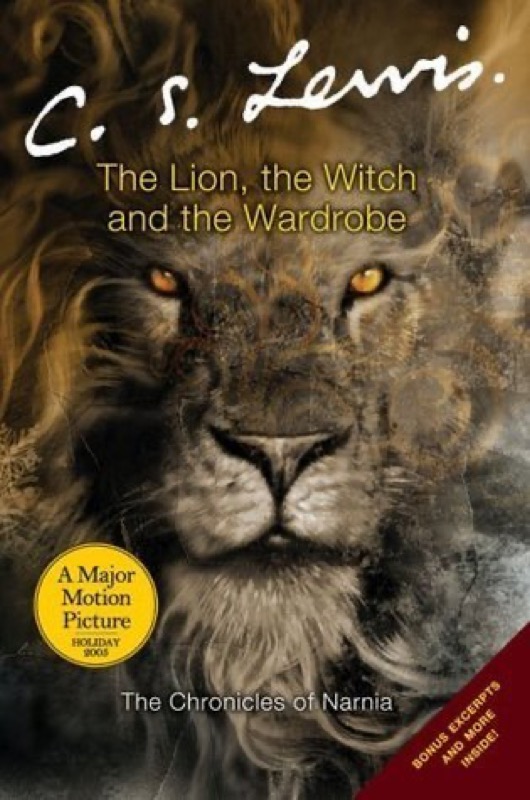
The Lion, the Witch and the Wardrobe (Chronicles of Narnia, #1)
Chronicles of Narnia, #1
Hook & thesis
C.S. Lewis’s The Lion, the Witch and the Wardrobe serves as a timeless allegory of good versus evil, exploring themes of sacrifice, redemption, and faith through the lens of a fantastical world. Verdict: This novel powerfully illustrates the struggle between darkness and light, making it an essential read that resonates with readers of all ages.
The contextual pivot
As the first book in the Chronicles of Narnia series, this work sits at the intersection of juvenile fiction and fantasy literature, bridging classic elements of myth with modern storytelling. Lewis’s ability to create an engaging narrative for children while embedding deeper moral lessons has positioned him alongside other influential authors like J.R.R. Tolkien and C.S. Lewis’s own contemporaries in the fantasy genre. The invisible audience consists of both children and adults, allowing the book to traverse niche tropes of allegory and morality to reach a broader readership.
Deep-dive critique
The structure of The Lion, the Witch and the Wardrobe expertly employs a third-person omniscient point of view, which provides insight into both the characters and the world of Narnia. The pacing is deliberate, allowing the reader to fully absorb the rich descriptions of the landscape and its inhabitants. However, some readers might find the abrupt transitions between scenes somewhat jarring, which can detract from the immersive experience. The character development of Aslan as a Christ-like figure is particularly notable; his sacrifice and the ensuing resurrection serve as powerful symbols of hope. Dialogue is straightforward yet effective, capturing the innocence and curiosity of the child protagonists without condescension. The ending, marked by triumph over evil, feels both earned and uplifting, reinforcing the thematic elements of courage and redemption.
Discussion launchpad
While The Lion, the Witch and the Wardrobe is celebrated for its clear moral compass, polarizing discussions arise around its perceived religious undertones and the implications of its allegory. Some argue that these elements enrich the narrative, while others feel they can overshadow the story itself.
Questions for the room:
- Do you think the allegorical elements enhance or detract from the story?
- How does the characterization of Aslan influence your understanding of sacrifice and redemption?
- In what ways do the themes of this book resonate with contemporary issues?
- Can a story with clear moral instruction still be considered art?
- How does the setting of Narnia function as a character in its own right?
#LitClass #Grade11 #RequiredReading #fantasy #children’sliterature