
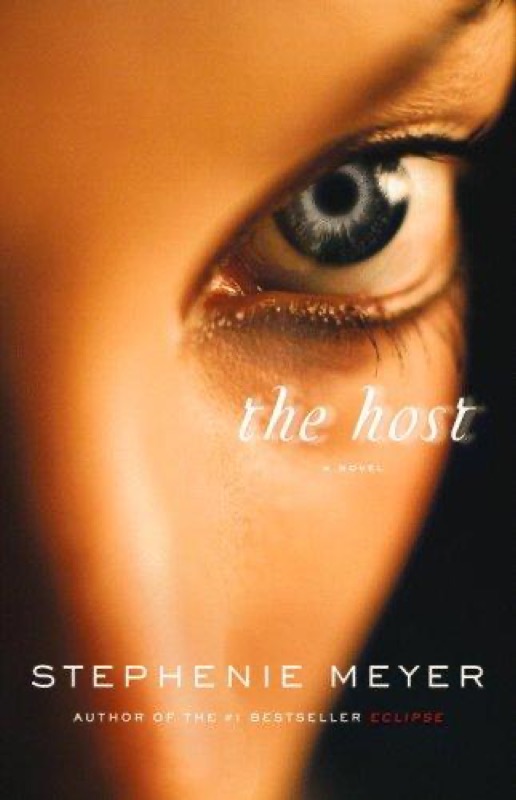
The Host
2013 · 125 min
2013 Niccol adaptation of Stephenie Meyer's body-snatcher romance.
Hook & thesis
2013’s The Host, directed by Andrew Niccol, seeks to navigate the treacherous waters of identity and autonomy amidst a body-snatching narrative. Verdict: While visually ambitious, it falters in conveying the darker undercurrents of human desire and coercion integral to Stephenie Meyer’s source material.
The contextual pivot
In the realm of adaptations, Niccol’s The Host emerges as a curious specimen; a melding of supernatural romance and dystopian commentary that feels both timely and oddly misplaced against its contemporaries. Released at a point when young adult adaptations were dominating screens, it attempts to carve a niche amidst a sea of vampire and dystopian narratives. The director, known for his work on Gattaca, infuses a sleek aesthetic into the film, yet it lacks the biting critique of humanity that characterized his earlier pieces. This adaptation speaks to a generation grappling with questions of self and otherness, yet remains ensnared in the trappings of mainstream appeal, leaving a more nuanced invisible audience unheard.
Deep-dive critique
The film’s cinematography is its standout feature, with Niccol employing wide shots to showcase desolate landscapes that mirror the characters’ internal struggles. However, the pacing is uneven; moments of tension dissipate as the film oscillates between romantic subplots and existential dread. The performance by Saoirse Ronan as Melanie/Wanda is commendable, yet Diane Kruger’s portrayal of the alien’s presence lacks the menace implied in the source. The score, while ethereal, often underscores rather than elevates the emotional stakes, falling prey to cliché rather than innovation. Dialogue, rich in potential, often devolves into banal exchanges that undermine the gravity of the premise, while the sound design offers little more than ambient noise rather than a haunting backdrop that could have supported the film’s themes.
Adaptation ledger
- Character depth: The novel intricately explores the inner conflicts of Melanie and Wanda, whereas the film reduces this complexity to surface-level romantic dilemmas.
- Alien perspective: The book provides a duality of voices that enriches the narrative; the film often collapses this into a singular perspective, losing the multi-faceted essence of the characters.
- Ending: The novel’s resolution hints at moral ambiguity, presenting a choice laden with existential weight, while the film opts for a more conventional, palatable conclusion.
- Romantic coercion: The source text addresses consent and coercion in relationships, themes that are glossed over in the film, diluting the critical commentary on autonomy.
Discussion launchpad
The juxtaposition of The Host as a book and film raises provocative questions about autonomy, identity, and the nature of love. The film’s attempts at fidelity often strip the narrative of its darker implications, resulting in a sanitized version of Meyer’s exploration of self and other. Questions for the room:
- Does the film’s romantic framing detract from the critique of body invasion?
- How does the adaptation handle the theme of consent, and what are its implications?
- In what ways does the film’s visual storytelling enhance or hinder the source’s thematic depth?
- Can The Host be viewed as a critique of YA tropes, or does it fall into them?