
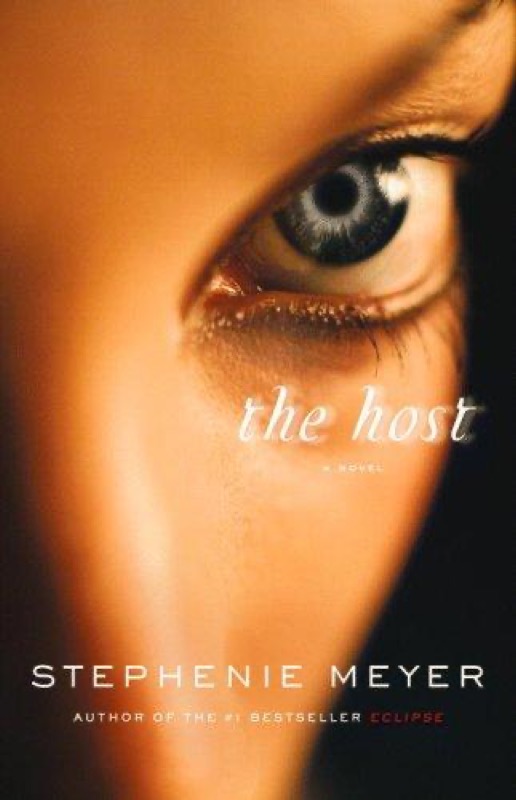
The Host
Hook & thesis
In The Host, Stephenie Meyer deftly intertwines themes of love, identity, and possession within a narrative that oscillates between the emotional and the existential. Verdict: This novel transcends the typical boundaries of the paranormal genre, crafting a haunting exploration of the self in conflict with external forces.
The contextual pivot
Nestled in the realm of vampire and paranormal fiction, The Host stands apart from Meyer’s more famous Twilight saga, venturing into a world where alien invasion serves as a metaphor for personal and intimate struggles. While the genre often focuses on romantic entanglements, Meyer shifts the lens to explore the complexities of identity and agency, positioning this work at the intersection of speculative fiction and gothic romance. The invisible audience comprises readers who appreciate depth in character relationships and the philosophical implications of love, making it accessible to general readers despite its niche origins.
Deep-dive critique
Meyer’s structure employs a dual narrative perspective that deepens the thematic exploration of possession and identity. The use of an internal monologue allows readers to experience the host’s inner turmoil as she grapples with the alien presence within her, effectively creating a palpable tension that drives the plot. However, the pacing occasionally falters, with certain passages dragging as the emotional stakes rise, risking reader engagement. The prose is both lyrical and evocative, though at times it leans heavily on exposition, which can detract from the organic unfolding of character interactions.
Characterization shines through the conflicts presented in the love triangle, which serves as a vehicle for the exploration of desire and sacrifice. The protagonist’s journey from being a passive host to an empowered individual resonates deeply, especially against the backdrop of violent themes and emotional distress that permeate the narrative. The ending, while satisfying, could be interpreted as either a triumph of self-acceptance or a concession to the status quo, leaving readers divided on its emotional authenticity.
Discussion launchpad
Meyer’s narrative challenges conventional tropes, inviting passionate debate about the nature of free will and the ethics of love when intertwined with possession. The subtle tension between selfhood and the other raises pertinent questions about autonomy in relationships.
Questions for the room:
- How do the themes of possession reflect on contemporary societal issues regarding autonomy?
- In what ways does the alien invasion serve as a metaphor for emotional distress and conflict within relationships?
- Can the ending be seen as empowering or as a retreat from personal agency?
- Does the dual narrative perspective enrich or complicate the reader’s experience?
- How does Meyer’s treatment of love triangles differ from traditional portrayals in the genre?
#TheOrchidRoom #TheHost #StephenieMeyer #DarkRomance #LiteraryAnalysis