
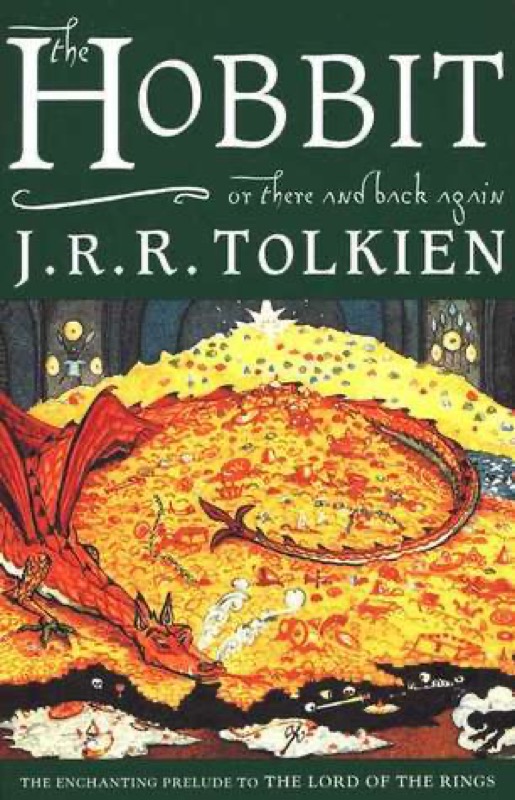
The Hobbit: An Unexpected Journey
2012 · 169 min
2012 Jackson expansion of Tolkien's hobbit tale.
Hook & thesis
In The Hobbit: An Unexpected Journey, Peter Jackson attempts to expand Tolkien’s concise fairy tale into an epic saga, yet fails to capture the intimate spirit of the original. Verdict: This adaptation drowns the whimsical essence of the source material in a dark, bloated spectacle that ultimately undermines its own charm.
The contextual pivot
As the first installment of a trilogy that aims to bridge the gap between The Hobbit and The Lord of the Rings, Jackson’s film straddles two worlds: the light-hearted adventure of Tolkien’s children’s book and the grim, expansive lore of Middle-earth. Released in the twilight of the 2010s, amidst a resurgence of high fantasy in cinema, this adaptation speaks to an audience craving both nostalgia and grandeur. However, the decision to stretch a relatively simple narrative into a longer format reveals a disconnect with the source’s understated humor, positioning Jackson’s vision as both a homage and a misstep.
Deep-dive critique
The film’s cinematography, while visually striking, often prioritizes spectacle over substance. The lush landscapes of New Zealand serve as a breathtaking backdrop, yet the frenetic pacing and excessive CGI create a sense of detachment from the characters’ journeys. Jackson’s editing choices, particularly in action sequences, often feel jarring; rather than building suspense, they fragment emotional beats, diminishing the weight of Bilbo’s growth from a timid hobbit into a reluctant hero.
Performances are a mixed bag: Martin Freeman embodies Bilbo with a nuanced blend of humor and courage, but the supporting cast, including a bombastic Richard Armitage as Thorin, leans heavily into archetypes rather than character depth. The score by Howard Shore, though evocative, sometimes succumbs to the film’s grandiosity, overshadowing quieter moments that could have grounded the narrative in genuine emotion. The film’s ending, which teases greater conflicts to come, feels like a forced lead-in rather than a natural conclusion, leaving viewers in suspense but also unfulfilled.
Adaptation ledger
- Addition of the White Council: The film introduces a subplot involving the White Council, adding layers of political intrigue absent in the book, but straying far from Tolkien’s original focus on Bilbo’s journey.
- Expanded character arcs: Thorin’s backstory is elaborated, shifting his portrayal from a noble leader to one burdened by greed, which alters the thematic core of courage and camaraderie in favor of darkness.
- Invention of Azog the Defiler: This new antagonist injects a sense of urgency and danger, yet feels like a distraction from the original conflict with Smaug, diluting the narrative’s simplicity.
- Altered pacing and structure: The decision to elongate the tale sacrifices the story’s natural rhythm, with moments of levity lost in the intricate plot expansion.
Discussion launchpad
The adaptation polarizes audiences, particularly regarding fidelity and thematic representation. Where Tolkien’s The Hobbit is a tale of quiet bravery, Jackson’s take leans heavily into epic conflict, challenging the very essence of the narrative. Questions for the room:
- Does expanding a simple narrative into a trilogy enhance or dilute its core themes?
- How do added characters and subplots affect the original story’s tone and message?
- Is there a point where visual spectacle overshadows character development in adaptations?
- Can adaptations retain their source’s spirit while exploring new thematic depths?