
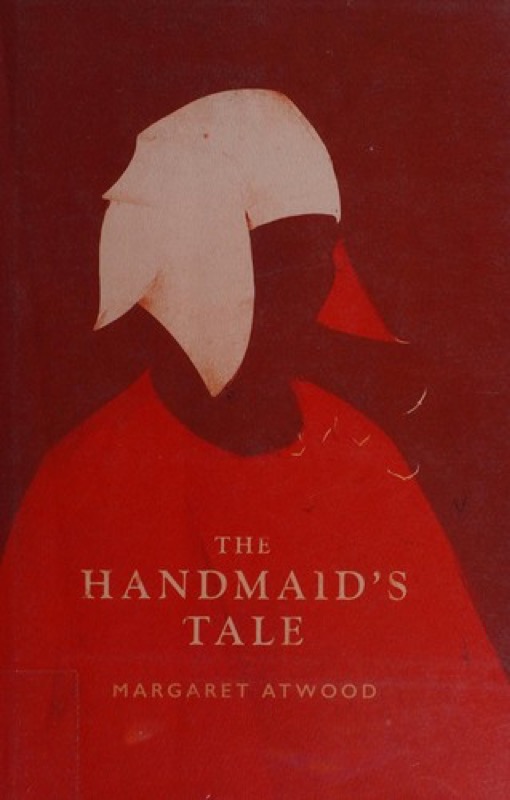
The Handmaid's Tale
1990 · 109 min
1990 film adaptation of Margaret Atwood's Gilead dystopia.
Hook & thesis
The 1990 film adaptation of The Handmaid’s Tale, directed by Volker Schlöndorff, seeks to explore the oppressive nature of Gilead while wrestling with the limitations of its cinematic expression. Verdict: Despite its admirable ambition, the film ultimately struggles to capture the profound emotional weight and intricate themes of Margaret Atwood’s original work.
The contextual pivot
The Handmaid’s Tale sits within the dystopian genre, a category ripe for exploration in the late ’80s and early ’90s, reflecting societal fears of authoritarianism and gender oppression. Volker Schlöndorff, known for his thought-provoking adaptations, attempts to address these themes through a lens that aims to engage a contemporary audience wary of rising extremism. The film, however, faces the challenge of resonating with a broad audience while remaining faithful to the novel’s complex narrative.
Deep-dive critique
The film’s cinematography, while visually striking, often feels disjointed, lacking the cohesive storytelling needed to drive the emotional stakes of the narrative. The pacing feels uneven, with moments of tension overshadowed by lengthy exposition that could have benefitted from tighter editing. Natasha Richardson’s performance as Offred is commendable, yet it occasionally lacks the depth required to fully convey her internal struggles. The score, though atmospheric, does not consistently enhance the narrative’s emotional core, sometimes feeling more like background noise than a pivotal element of the storytelling. The film’s ending feels rushed and less earned than the novel’s, failing to encapsulate the profound implications of Offred’s journey.
Adaptation ledger
- The film simplifies the backstory of Gilead, losing layers of the world-building present in the novel.
- Characters like Moira receive less development, reducing their impact on Offred’s character arc.
- The focus on visual storytelling sometimes sacrifices character introspection, which is crucial in Atwood’s text.
- Key themes of resistance and personal agency are diluted, leading to a less powerful narrative conclusion.
- The ending diverges significantly, presenting a resolution that feels more ambiguous than the novel’s intended message.
Discussion launchpad
The adaptation of The Handmaid’s Tale raises important questions about fidelity and interpretation in film. How do filmmakers balance the vision of an original text with the constraints of cinematic storytelling? This film presents a polarizing view of how effectively a complex narrative can translate to the screen, especially when dealing with sensitive topics. Questions for the room:
- In what ways does the film’s portrayal of Gilead differ from Atwood’s vision?
- How did you interpret Offred’s character differently in the film compared to the book?
- What thematic elements were most effectively captured or lost in the adaptation?
- How does the film’s ending change your understanding of Offred’s journey?