
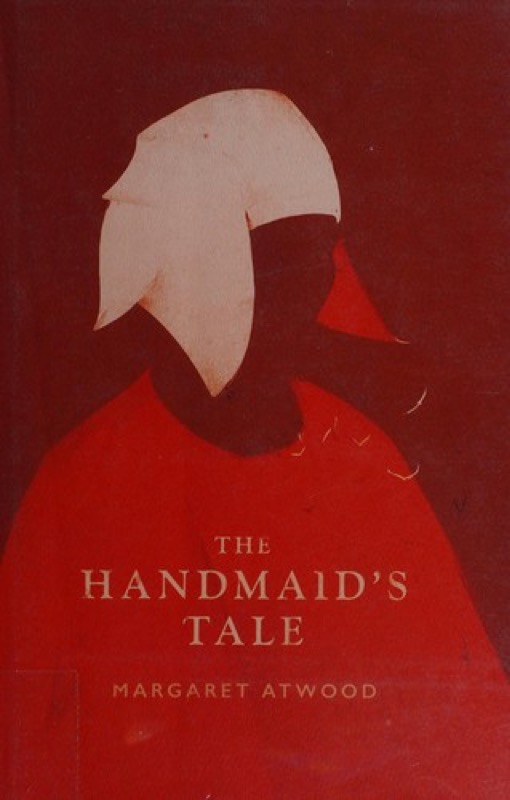
The Handmaid's Tale
Hook & thesis
Margaret Atwood’s The Handmaid’s Tale serves as a haunting exploration of female oppression in a dystopian society, where the personal becomes irrevocably political. Verdict: Atwood’s chilling narrative unveils the grotesque potential of patriarchal control, leaving readers breathless with its dark reflections on autonomy and subjugation.
The contextual pivot
As a seminal piece within the dark-thriller genre, The Handmaid’s Tale stands alongside the works of authors like George Orwell and Aldous Huxley, yet it uniquely hones in on the female experience within a totalitarian framework. Atwood crafts a world where the mundane becomes sinister, and the invisible audience of feminist readers converses with a broader demographic drawn to political commentary — a bridge between niche dystopian tropes and mainstream relevance.
Deep-dive critique
Atwood’s narrative structure employs a first-person perspective that immerses the reader in Offred’s psyche, expertly balancing moments of reflective introspection with the relentless pace of her oppressive reality. This duality serves to heighten tension, as the timeline oscillates between Offred’s past and her present captivity, creating a rhythm that mirrors her psychological descent. The prose shines with lyrical poignancy, as Atwood’s carefully chosen metaphors reflect the suffocating atmosphere—”nolite te bastardes carborundorum”—an emblem of resistance etched into Offred’s consciousness.
However, the dialogue occasionally falters, feeling stilted when attempting to convey complex societal critiques. The supporting characters, including the formidable Serena Joy and the aloof Commander, sometimes lack depth, serving more as archetypes than fully fleshed individuals. This could leave readers yearning for richer interactions that could deepen the thematic impact. The ending, while ambiguous and thought-provoking, risks alienating readers who crave resolution; it is earned but open to interpretation, inviting debate on its implications regarding hope and despair in oppressive systems.
Discussion launchpad
Atwood’s exploration of power dynamics and bodily autonomy in The Handmaid’s Tale invites a range of polarizing discussions about the implications of dystopian narratives in today’s socio-political climate.
Questions for the room:
- How does Atwood’s portrayal of female agency challenge or reinforce traditional gender roles?
- In what ways does the novel’s ending reflect contemporary societal issues?
- Can dystopian literature serve as a predictive cautionary tale, or does it risk sensationalism?
- How effectively does Atwood balance realism with speculative fiction in the portrayal of Gilead?
- What does Offred’s journey say about the intersection of personal trauma and collective oppression?
#LiteraryAnalysis #GothicEdge
#darkthriller #dystopian #feminism #theorchidroom