
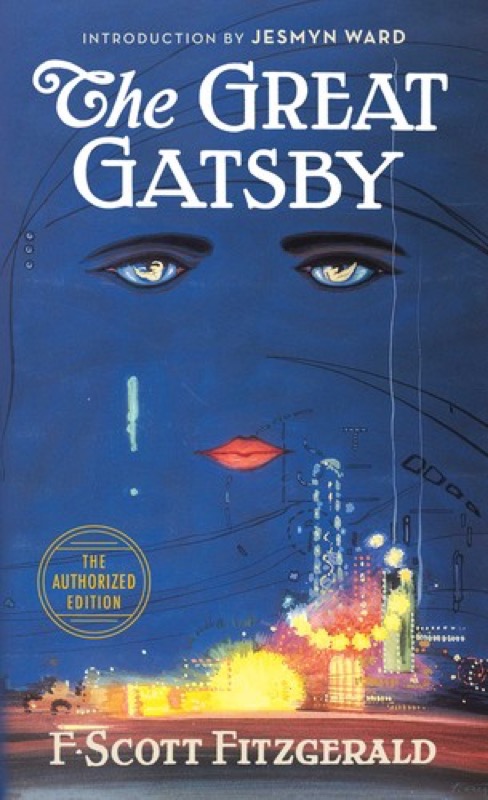
The Great Gatsby
2013 · 143 min
2013 Luhrmann spectacle adaptation of Fitzgerald's Jazz Age tragedy.
Hook & thesis
Baz Luhrmann’s 2013 adaptation of The Great Gatsby seeks to distill the opulence of Fitzgerald’s Jazz Age tragedy into a visual feast that ultimately struggles to capture its deeper existential despair. Verdict: This film is a glittering façade that fails to unearth the dark heart of the American Dream.
The contextual pivot
Positioned amidst a resurgence of interest in Roaring Twenties aesthetics, Luhrmann’s adaptation is layered with a modern sensibility that speaks to today’s cultural obsessions with wealth and excess. As a director known for his lavish visual style in films like Moulin Rouge! and Romeo + Juliet, Luhrmann employs a frenetic energy that parallels the source text’s frenetic social milieu. Yet, the silent, invisible audience grappling with their own aspirations and disillusionments finds no solace in this retelling, as it often prioritizes spectacle over substance.
Deep-dive critique
While the film’s cinematography dazzles with its vibrant colors and dizzying camera work, a fundamental flaw lies in its pacing and structure, which often prioritize style over narrative clarity. The editing feels erratic, matching the rhythm of contemporary music—an audacious choice that clashes with the melancholic undertones of the original text. DiCaprio’s portrayal of Gatsby is a magnetic performance, yet it borders on caricature, lacking the depth that Fitzgerald’s prose bestowed upon the character’s inner turmoil. Carey Mulligan’s Daisy is enchanting but rendered too ethereal, missing the complex emotional layers needed to ground her tragic fate.
The score, infused with modern beats, enhances the film’s vibrancy but can overshadow the poignant themes of love and loss that resonate deeply within the novel. The mise-en-scène, while visually arresting, often distracts from the core narrative—turning Gatsby’s longing into a mere backdrop for excess rather than a reflection of lost dreams. The film’s conclusion, though visually stunning, feels unearned; it fails to encapsulate the profound disillusionment that permeates the source material, leaving a hollow echo instead of a haunting resonance.
Adaptation ledger
- Narrative Perspective: The film adopts Nick Carraway’s first-person perspective but dilutes his reflective voice, diminishing the novel’s introspective quality.
- Characterization of Daisy: In the book, Daisy’s complexities are richer; the film simplifies her motivations, leaning towards a more superficial interpretation.
- Gatsby’s Parties: While the extravagance of Gatsby’s parties is vividly portrayed, the emotional isolation conveyed in the text is lost amidst the spectacle.
- Ending Alteration: The film’s conclusion, though visually striking, misses the tragic weight of Gatsby’s demise and Nick’s disillusionment, softening the critique of the American Dream.
- Use of Modern Music: The contemporary soundtrack, while engaging, distracts from the period’s authenticity and the novel’s thematic depth.
Discussion launchpad
Luhrmann’s The Great Gatsby invites polarities around the nature of adaptation, particularly in how visual storytelling can both elevate and obscure narrative depth. The juxtaposition of the novel’s subtle critique of wealth against the film’s bold spectacle raises questions about fidelity and interpretation.
Questions for the room:
- How does Luhrmann’s modern aesthetic influence our interpretation of Gatsby’s tragedy?
- In what ways does the film’s emphasis on visual grandeur undermine the novel’s thematic intricacies?
- Can a film truly capture the essence of a literary work if it prioritizes spectacle over substance?
- What does this adaptation say about contemporary society’s relationship with wealth and aspiration?