
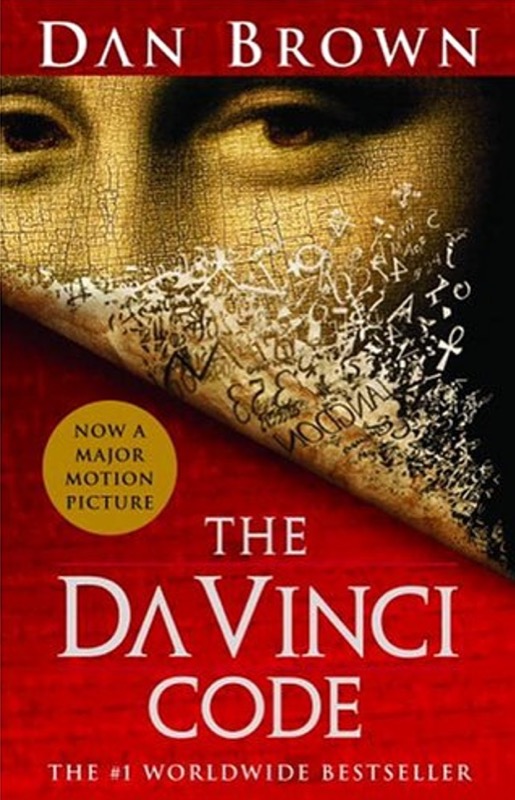
The Da Vinci Code
2006 · 149 min
2006 Howard adaptation of Dan Brown's symbology thriller.
Hook & thesis
Ron Howard’s adaptation of Dan Brown’s The Da Vinci Code aims to unravel the intricate layers of faith and conspiracy while maintaining fidelity to its source material. Verdict: Though it effectively captures the novel’s thrilling essence, the film ultimately falters in translating its deeper philosophical inquiries into cinematic language.
The contextual pivot
Released in 2006, The Da Vinci Code arrives at a cultural moment rife with discussions around religious ideologies and historical truths, positioning it squarely within the psychological thriller genre. Howard, known for his adept handling of high-stakes narratives such as A Beautiful Mind, adopts a relentless pacing that mirrors the novel’s own urgency. As an adaptation, it sits alongside other literary landmarks, striving for authenticity while appealing to a mass audience eager for both entertainment and intellectual engagement. The film’s invisible audience consists of viewers familiar with the sensationalized debates surrounding faith, symbolically linked to the book’s controversial themes.
Deep-dive critique
Howard’s direction employs a taut visual language characterized by shadowy cinematography that emphasizes the film’s themes of secrecy and revelation. The editing is brisk, matching the novel’s rapid-fire revelations, although at times it sacrifices nuance for momentum. The performances, particularly Tom Hanks’s portrayal of Robert Langdon, hinge on intellectual gravitas but occasionally lack emotional depth, making it difficult for audiences to connect with the characters’ inner conflicts. The score, composed by Hans Zimmer, amplifies the tension effectively, yet at moments it becomes overwhelming, overshadowing dialogue and subtle moments of reflection. The mise-en-scène succeeds in creating a rich tapestry of historical and artistic references, yet it sometimes overwhelms the narrative flow rather than enhancing it. The film’s ending, while true to the source, feels somewhat anticlimactic and fails to resonate emotionally due to the hurried pacing that diminishes the weight of its revelations.
Adaptation ledger
- Character Depth: The film simplifies some characters’ backgrounds, particularly Sophie Neveu, who in the book has a more nuanced history that informs her motivations.
- Symbolic Layers: The intricate analysis of historical symbols and religious iconography is glossed over in favor of action-driven sequences.
- Ending Revelation: The film retains the major plot twist but minimizes the philosophical discussions that accompany it in the novel.
- Omissions: Several characters and subplots that add depth to the narrative are omitted, such as the nuance of Langdon’s internal conflict regarding faith.
- Dialogue Alterations: Key dialogues that explore the implications of faith versus reason are largely condensed or removed, impacting thematic richness.
Discussion launchpad
The adaptation of The Da Vinci Code raises intriguing questions about fidelity to source material versus cinematic effectiveness. While the film captures the plot’s structure, it struggles with the philosophical inquiries that underpin the narrative. Questions for the room:
- How does the film’s portrayal of faith compare to the book’s deeper explorations?
- In what ways does the film’s pacing affect its thematic depth?
- Are there specific character omissions that significantly alter the story’s impact?
- Does the film succeed in appealing to both fans of the book and casual viewers?
- How does Howard’s adaptation compare to other literary adaptations that grapple with similar themes?