
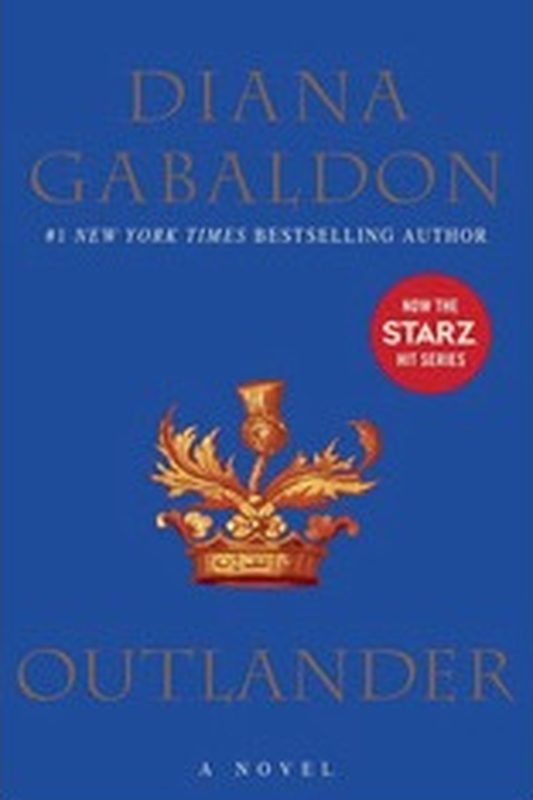
Outlander
2014 · 64 min
2014 Starz series adaptation of Diana Gabaldon's time-travel romance.
Hook & thesis
The 2014 adaptation of Diana Gabaldon’s Outlander by John Dahl serves as a haunting exploration of love amidst the brutal tapestry of history. Verdict: This series skillfully weaves together the tender and the traumatic, revealing that even in romance, time’s cruel hand is a relentless specter.
The contextual pivot
Positioned within the period-drama genre, Outlander emerges as a notable entry in the adaptation landscape, particularly for its fidelity to Gabaldon’s sprawling narrative. Dahl, known for his ability to craft nuanced characters within complex narratives, channels the gothic undercurrents of the source text while navigating a cultural moment increasingly attuned to themes of trauma and resilience. The invisible audience comprises romantics craving depth beyond the conventional love story, ready to confront the darker facets of passion and survival.
Deep-dive critique
The cinematography of Outlander excels in capturing the stark contrasts of 18th-century Scotland and the emotional landscapes of its characters. The lush landscapes juxtaposed with the raw violence of the era create a mise-en-scène that is both beautiful and unsettling. For example, the use of natural light enhances the authenticity of the setting, while shadowy interiors reflect the characters’ inner turmoil and the secrets they harbor.
Performance-wise, Caitríona Balfe’s portrayal of Claire Randall is a masterclass in emotional complexity; her ability to oscillate between strength and vulnerability makes her a compelling protagonist. Sam Heughan as Jamie Fraser brings a magnetic presence that blends charm and fierce loyalty, though moments of his vulnerability occasionally tread too close to melodrama.
The score, a haunting blend of traditional Scottish music and contemporary compositions, amplifies the emotional stakes. The pacing, however, sometimes falters, with certain episodes feeling stretched. This reflects a challenge inherent in adapting a lengthy narrative — maintaining momentum while honoring character development. The series’ fidelity to the source material is admirable, but it raises questions about whether every subplot serves the overarching theme of time’s impact on love.
Adaptation ledger
- Character Depth: In the series, Claire’s backstory is layered with more nuanced trauma, highlighting her PTSD from WWII, which is only briefly touched upon in the book.
- Visual Storytelling: The series visually emphasizes the harsh realities of 18th-century life more explicitly than the book, with graphic depictions of violence and its aftermath.
- Character Relationships: The bond between Claire and Jamie is given additional moments of tenderness and conflict, enhancing their emotional connection compared to the more straightforward portrayal in the novel.
- Subplots Expanded: Several side characters are given expanded arcs that explore themes of loyalty and betrayal, which serve to enrich the narrative but sometimes distract from the central love story.
Discussion launchpad
The adaptation of Outlander raises pressing questions about fidelity and interpretation in literary adaptations. Where does one draw the line between respecting the source material and innovating for the screen? The series invites debate on how much darkness should be embraced in portrayals of love, especially when historical trauma is involved.
Questions for the room:
- How does the portrayal of violence in the series compare to the book’s approach?
- Are the expanded character arcs a strength or a dilution of the primary narrative?
- In what ways does the series’ cinematography contribute to its themes of time and trauma?
- Does the adaptation enhance or overshadow the original romantic elements of the story?