
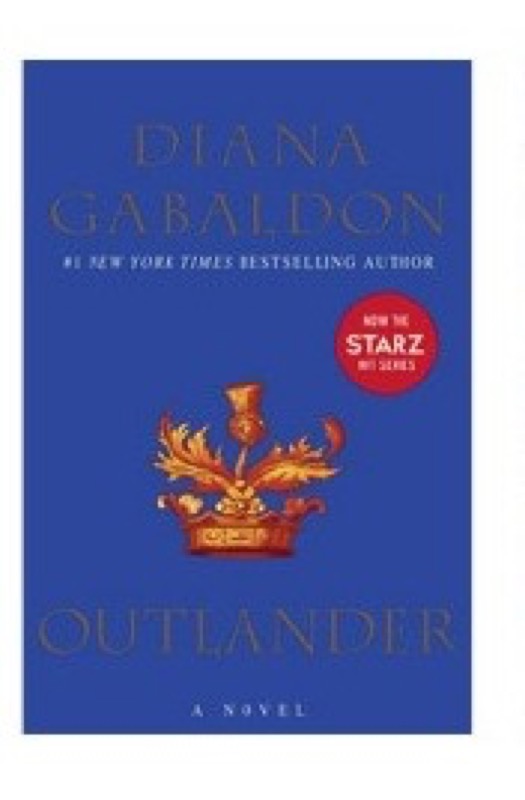
Outlander
A Novel
Hook & thesis
Diana Gabaldon’s Outlander deftly intertwines the visceral and the historical, presenting a narrative that challenges the boundaries of love across time. Verdict: This is not merely a tale of time travel; it’s a complex exploration of the human spirit’s resilience amidst the throes of desire and conflict.
The contextual pivot
Positioned within the fantasy-romance genre, Outlander straddles the line between historical fiction and speculative narrative. Gabaldon’s ability to inject authenticity into her characters’ experiences in 18th-century Scotland aligns her with authors like Susanna Clarke and Philip Pullman, yet her focus on romantic entanglements propels her into the realm of contemporary romance. This book appeals not only to fans of historical romance but also to those intrigued by the nuances of time travel as a vehicle for self-discovery and personal growth. Gabaldon deftly bridges niche tropes with broader themes of love and survival, creating a cross-genre appeal and inviting readers from various backgrounds into her richly woven world.
Deep-dive critique
The structural pacing of Outlander serves to heighten the tension between Claire’s dual realities. Gabaldon employs a third-person limited point of view, primarily through Claire’s perspective, which allows readers to deeply immerse themselves in her emotional landscape while carefully unraveling the complexities of her choices. The juxtaposition of her modern sensibilities against the brutal norms of the past creates a constant push and pull that drives the narrative forward. Gabaldon’s prose is lush and evocative, capturing the essence of Scotland’s rugged beauty while also laying bare the raw emotions that accompany Claire’s journey.
However, the book is not without its flaws. Some readers may find the pacing uneven, particularly in the middle sections where the plot meanders. While the intimate dialogues resonate with authenticity, there are moments when the character motivations feel contrived, particularly in the romance’s more tumultuous aspects. Despite these issues, the ending resounds with emotional weight, as Claire’s choices culminate in profound consequences that feel both earned and inevitable, reflecting the book’s central thesis about love’s complexities.
Discussion launchpad
Outlander presents polarities that could ignite spirited discussion among readers. The book’s blending of genres raises questions about the boundaries of romance and historical accuracy, while the portrayal of violence and sexuality invites scrutiny regarding the ethical implications of such depictions in romantic narratives.
Questions for the room:
- How do you feel about the portrayal of violence in the context of romantic relationships?
- Does the time travel element enhance or distract from the emotional stakes of the story?
- What are the implications of Claire’s modern perspective on her actions in the historical setting?
- How does Gabaldon balance historical authenticity with the expectations of a romantic narrative?
- In what ways does the ending challenge or affirm your expectations of a romance novel?
#TheOrchidRoom #outlander #fantasyromance #darkromance #literaryanalysis