
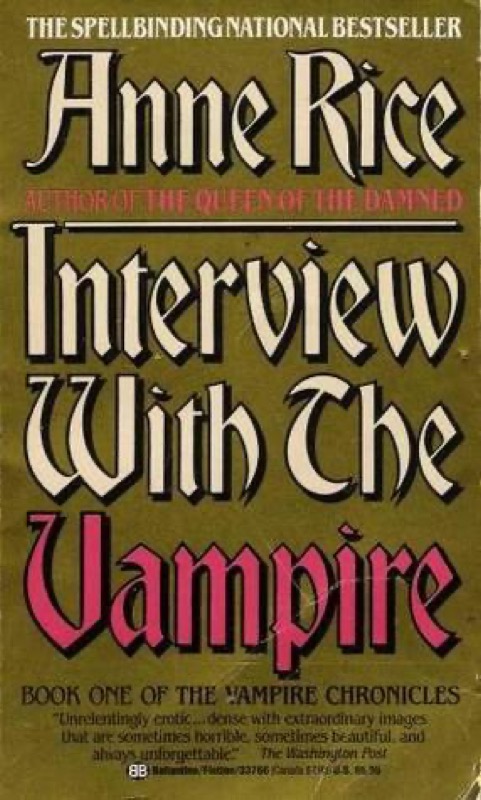
Interview with the Vampire
1994 · 123 min
1994 gothic adaptation of Anne Rice's vampire chronicle.
Hook & thesis
Interview with the Vampire captures the eternal struggle between humanity and inhumanity, showcasing a rich narrative woven with moral dilemmas. Verdict: This adaptation succeeds in preserving the novel’s complex themes while enhancing its emotional depth through stellar performances and atmospheric direction.
The contextual pivot
Released in 1994, Neil Jordan’s adaptation of Interview with the Vampire embodies a significant moment in the gothic-horror genre, drawing from Anne Rice’s acclaimed novel. The film navigates the murky waters of immortality, desire, and the search for identity, resonating with an audience seeking depth in supernatural storytelling. Jordan, known for his ability to blend the surreal with the poignant, delivers an adaptation that speaks not only to fans of the source material but also to those unfamiliar with Rice’s work. The film stands as a bridge between traditional vampire lore and modern existential questions, attracting a youthful audience in the early ’90s grappling with themes of self-discovery.
Deep-dive critique
The film excels through its lush cinematography, with Darius Khondji’s moody lighting creating an evocative atmosphere that mirrors the characters’ inner turmoil. The pacing thoughtfully mirrors the novel’s structure, allowing viewers to experience the gradual unraveling of Louis’s (Brad Pitt) moral struggles against the backdrop of a lavish 18th-century world. Performances are standout—Tom Cruise’s charismatic yet chilling portrayal of Lestat contrasts beautifully with Pitt’s brooding Louis. Kirsten Dunst’s haunting performance as Claudia adds a tragic layer, emphasizing the loss of childhood innocence. The score by Elliot Goldenthal reinforces the film’s gothic tone, accentuating moments of tension and melancholy. However, some narrative threads, particularly Claudia’s arc, feel slightly underdeveloped in the film’s execution, leaving viewers wanting more.
Adaptation ledger
- Retained the core narrative of Louis’s existential crisis and Lestat’s manipulative nature.
- Altered Claudia’s fate, providing a more ambiguous conclusion than the book’s clearer resolution.
- Expanded the setting and time period visually to enhance the atmospheric quality.
- Introduced additional scenes to flesh out the relationship dynamics, particularly between Louis and Lestat.
- Maintained the first-person perspective, but adapted it to a more cinematic storytelling approach.
Discussion launchpad
The polarities between the source material and adaptation invite rich discussion:
- How does the film’s visual storytelling impact the novel’s philosophical themes?
- In what ways does the film enhance or diminish Claudia’s character arc?
- Do the performances align with how you envisioned the characters from the book?
Questions for the room:
- What did you think about the film’s pacing compared to the book’s narrative flow?
- How effectively did the film capture the emotional weight of immortality?
- Were there aspects of the story or characters you felt were misrepresented?