
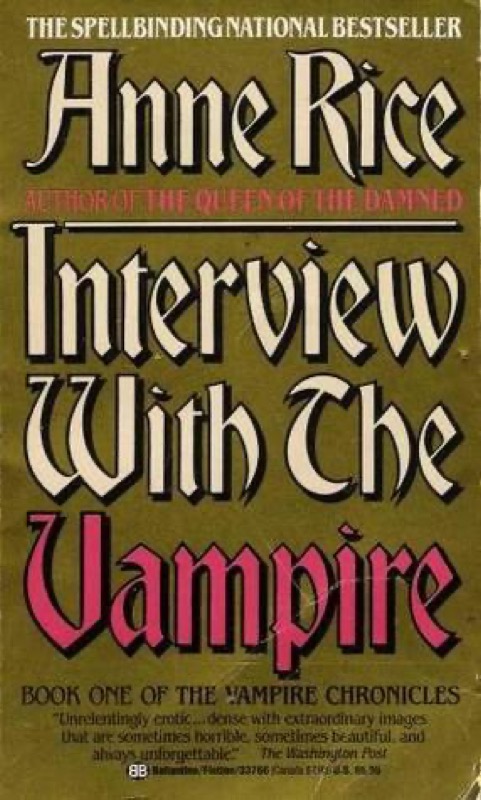
Interview with the Vampire (The Vampire Chronicles, #1)
The Vampire Chronicles, #1
Hook & thesis
In Interview with the Vampire, Anne Rice delves into the seductive and existential dilemmas of immortality through the lens of Louis de Pointe du Lac, a vampire grappling with his identity and moral compass. Verdict: This gothic masterpiece captivates the reader not through mere horror, but through a haunting exploration of desire and the nature of humanity.
The contextual pivot
As a seminal work in the vampire-paranormal genre, Rice’s novel stands as a bridge between the lush romanticism of gothic literature and modern horror. It carves out a unique space, drawing on the philosophical musings of immortality while entwining intricate relationships characterized by passion and despair. Compared to the works of Bram Stoker and more contemporary authors like Stephenie Meyer, Rice’s narrative is rich with lyrical prose and deep character exploration, catering to both niche gothic enthusiasts and broader audiences seeking profound emotional resonance.
Deep-dive critique
Rice’s structure is pivotal to the story’s thematic depth; the first-person narrative immerses us in Louis’s melancholic psyche, allowing readers to feel his anguish and longing. The pacing, slow and deliberate, mirrors the weight of eternal life, emphasizing the ennui that accompanies immortality. The prose itself is exquisite — laced with detailed descriptions that evoke both the beauty and horror of the vampire’s world. For instance, the lush imagery of New Orleans juxtaposed with the grotesque reality of vampiric feeding creates a palpable tension between allure and revulsion.
Characterization is another triumph, especially in the complex relationships between Louis, Lestat, and Claudia. Each character embodies different aspects of desire and morality, with Lestat representing hedonistic abandon and Claudia encapsulating the tragic loss of childhood. This interplay invites readers to contemplate the nature of love, control, and betrayal within their dynamics. However, the extended philosophical dialogues may test some readers’ patience, risking a disconnect from the narrative’s momentum. Ultimately, the ending feels both earned and hauntingly unresolved, leaving lingering questions about the true cost of immortality.
Discussion launchpad
Rice’s work presents polarities that can split readers’ opinions, particularly regarding its emotional depth versus its pacing and philosophical musings.
Questions for the room:
- How does Louis’s struggle with his identity reflect broader themes of acceptance and self-realization?
- Does the novel romanticize the vampire mythos or critique it, and how does that affect reader engagement?
- In what ways do the relationships in the novel mirror contemporary discussions around power dynamics in romance?
- How effective is Rice’s use of gothic elements in enhancing or detracting from the narrative?
- What unresolved questions linger for you about the nature of desire and immortality in Louis’s world?
#TheOrchidRoom #vampire #darkromance #gothic #immortality