
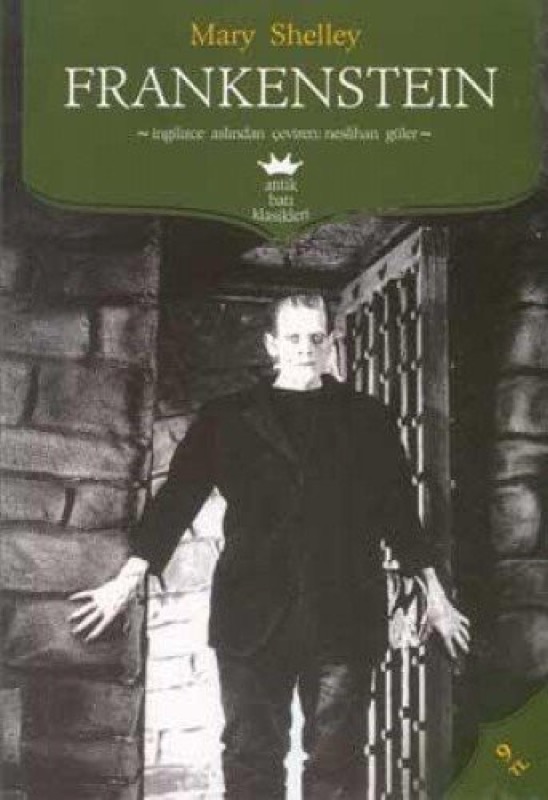
Frankenstein
1931 · 70 min
1931 Universal classic — the screen birth of the modern monster.
Hook & thesis
The 1931 film Frankenstein, directed by James Whale, presents a captivating adaptation of Mary Shelley’s classic novel that emphasizes the tragic consequences of unchecked ambition. Verdict: This film is a remarkable exploration of humanity’s struggle with creation, showcasing both the brilliance and the horror of its ambitions.
The contextual pivot
As a pioneering piece in the gothic horror genre, Frankenstein emerges during a time when audiences were fascinated by science and the unknown, reflecting societal anxieties in the post-World War I era. James Whale’s direction blends theatrical elements with cinematic innovation, enhancing the film’s dramatic tension. It stands as a significant adaptation that resonates with viewers who grapple with the moral implications of scientific advancements, an invisible audience of both horror fans and literary enthusiasts.
Deep-dive critique
The film employs striking cinematography and mise-en-scène, with its iconic use of shadow to create a foreboding atmosphere. The performance by Boris Karloff as the Creature transcends mere horror, adding depth to a character that elicits sympathy despite his frightening exterior. The pacing, bolstered by effective editing, amplifies the emotional stakes, particularly in scenes where the Creature seeks acceptance but faces rejection. The score complements the visual storytelling by adding an eerie layer that enhances the psychological intensity. However, the adaptation loosens fidelity to the source material; it simplifies complex themes of creation and responsibility, which could frustrate purists.
Adaptation ledger
- Characterization of the Creature: In the source text, the Creature is articulate and sympathetic, while the film presents him as mostly mute and misunderstood, emphasizing his monstrosity.
- Elimination of backstory: The film omits significant backstory about Victor Frankenstein’s motivations and his relationship with his family, focusing instead on the horror of creation.
- Ending changes: The book concludes with a more philosophical exploration of fate, whereas the film opts for a more visually dramatic climax with the burning windmill.
- Condensed plot: The film’s runtime necessitates a streamlined narrative, removing subplots that provide greater depth to the thematic exploration of isolation.
Discussion launchpad
The adaptation presents intriguing contrasts between the text and film, particularly in character depth and thematic focus. Key polarities include the representation of the Creature’s humanity versus monstrosity and the moral implications of scientific exploration.
Questions for the room:
- How does the film’s depiction of the Creature change our perception of monstrosity?
- In what ways does the film enhance or diminish Shelley’s original themes?
- Does removing the Creature’s eloquence impact the moral messages of the story?
- How do the film’s visual elements contribute to its horror?