
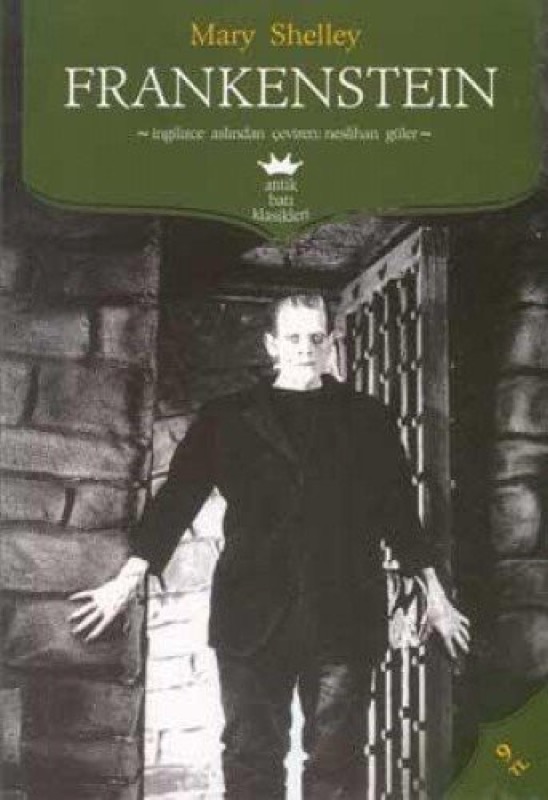
Frankenstein
Hook & thesis
Mary Wollstonecraft Shelley’s Frankenstein operates at the intersection of ambition and monstrosity, revealing the dangers of unchecked scientific exploration through the tragic lens of creation and abandonment. Verdict: Shelley’s novel is an enduring examination of humanity’s hubris, where the true horror lies not in the creature, but in the isolation of the creator.
The contextual pivot
Frankenstein is a cornerstone of gothic-horror-romance, reflecting themes of existential dread and the consequences of enlightenment thought. In contrast to contemporaries like Lord Byron and Edgar Allan Poe, Shelley uniquely combines elements of romance with philosophical inquiry, creating a narrative that appeals to both niche audiences and general readers. The invisible audience can be seen as both the scientific community grappling with ethical questions and the romantic movement’s followers seeking emotional depth, making this work transcend its genre.
Deep-dive critique
Shelley’s structure employs a frame narrative that masterfully shifts perspectives, enhancing the thematic depth of isolation and desperation. The pacing, particularly in the latter sections, allows for a tension that mirrors the protagonist’s spiraling descent into madness, effectively serving the thesis of the dangers of unbridled ambition. The prose is rich yet accessible, with vivid descriptions that evoke both sympathy and horror for the creature, while the dialogue often reflects the philosophical dilemmas of the era, showcasing Shelley’s prowess in blending craft with thematic exploration. However, the ending, while poignant, raises questions about resolution; does it offer closure or merely a reiteration of the cycle of vengeance?
Discussion launchpad
The novel presents polarizing themes, especially regarding creator responsibility and the nature of monstrosity. How do readers reconcile sympathy for the creature with the horror of its actions? Questions for the room:
- Is Victor Frankenstein a tragic hero or a cautionary tale?
- How does the depiction of the creature challenge societal notions of beauty and monstrosity?
- In what ways does the novel reflect contemporary issues surrounding scientific ethics?
- What role does isolation play in the development of both Victor and his creation?
- Does Shelley’s work remain relevant in today’s discussions about technology and responsibility?
#CollegeLit #FreshmanYear #Canon #gothic #horrorromance #classic #philosophy