
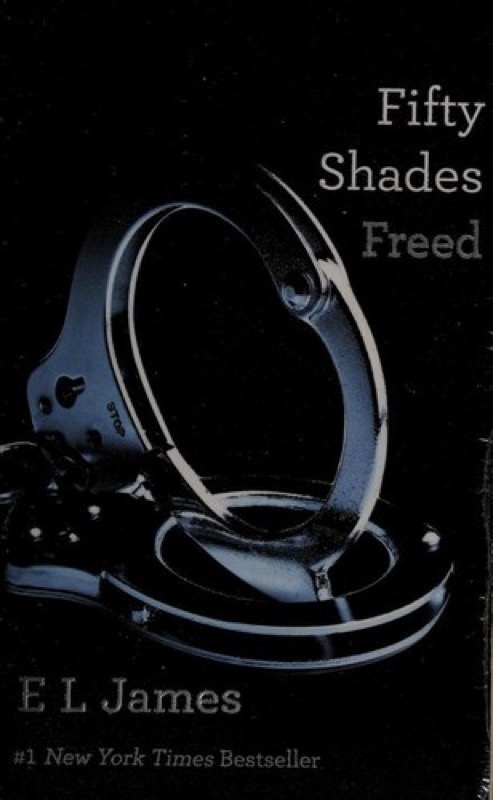
Fifty Shades Freed
2018 · 105 min
2018 conclusion — marriage, menace, and closure.
Hook & thesis
In Fifty Shades Freed, James Foley delivers a visually striking yet narratively hollow conclusion that exposes the fragility of romantic liberation cloaked in gothic allure. Verdict: The film’s attempt at closure ultimately suffocates under the weight of its own contradictions and shallow emotional stakes.
The contextual pivot
This film, the final entry in the Fifty Shades trilogy, emerges during a cultural moment where female desire is both celebrated and scrutinized, reflecting a complex interplay of empowerment and subjugation. Positioned within the broader landscape of erotic dramas, it grapples with the legacy of its source material, E.L. James’s Fifty Shades Freed, while attempting to reconcile the romantic ideal with darker thematic elements. Foley, known for navigating complex emotional narratives with a keen visual sense, stretches the boundaries of the conventional romance genre, yet here, he treads too lightly on the source’s more provocative undercurrents, leaving the invisible audience—the curious, yet critical, spectators of contemporary sexuality—dissatisfied.
Deep-dive critique
The mise-en-scène in Fifty Shades Freed is undeniably rich, with sumptuous interiors and evocative lighting that conjure a seductive atmosphere, yet this visual opulence often overshadows the narrative’s emotional core. Cinematography by J. J. Abrams’ protégé, which swings from sweeping aerial shots to intimate close-ups, accentuates the characters’ physicality but fails to deepen the psychological landscape. The editing, punctuated by elongated sequences of sexual encounters, often drags, creating a rhythm that undermines the urgency of the story.
Performance-wise, Dakota Johnson and Jamie Dornan deliver their lines with a veneer of passion, yet beneath their polished exteriors lies a disconnection that renders their emotional arcs unconvincing. The score, a blend of lush orchestral arrangements and contemporary pop, amplifies the intended eroticism but veers into melodrama, becoming a cipher for the film’s thematic dissonance. Notably, the film’s ending—where threats of kidnapping and violence are brushed aside for a fairytale conclusion—feels unearned, leaving the audience questioning the integrity of the character development throughout the series.
Adaptation ledger
- Character backstory: Christian Grey’s childhood trauma is simplified, losing nuance that complicates his character’s motivations.
- Conflict resolution: The kidnapping subplot from the book is streamlined, reducing tension and emotional stakes in the climax.
- Dialogue: Many pivotal interactions are paraphrased or omitted, which diminishes the depth of character relationships.
- Character arcs: Anastasia Steele’s professional growth is significantly downplayed; her ambition is overshadowed by domesticity, altering her agency.
- Ending: The film opts for an overtly optimistic resolution, diverging from the book’s more ambiguous conclusion, signaling a departure from the series’ thematic grit.
Discussion launchpad
The adaptation of Fifty Shades Freed raises polarized debates about fidelity to source material versus the necessity of cinematic interpretation. While the film aims to encapsulate the essence of James’s narrative, it simultaneously dilutes the complexity of its characters’ journeys. What remains unaddressed is the tension between erotic empowerment and the constraints of traditional romance narratives.
Questions for the room:
- Can the film’s visual allure compensate for its narrative shortcomings?
- How do the adaptations of Fifty Shades compare to other erotic literary works on screen?
- What does the film suggest about the evolving portrayal of female desire in cinema?
- Does the ending truly offer closure, or does it reinforce a problematic narrative?
- In what ways does the film reflect or resist contemporary discussions on consent and power dynamics in relationships?