
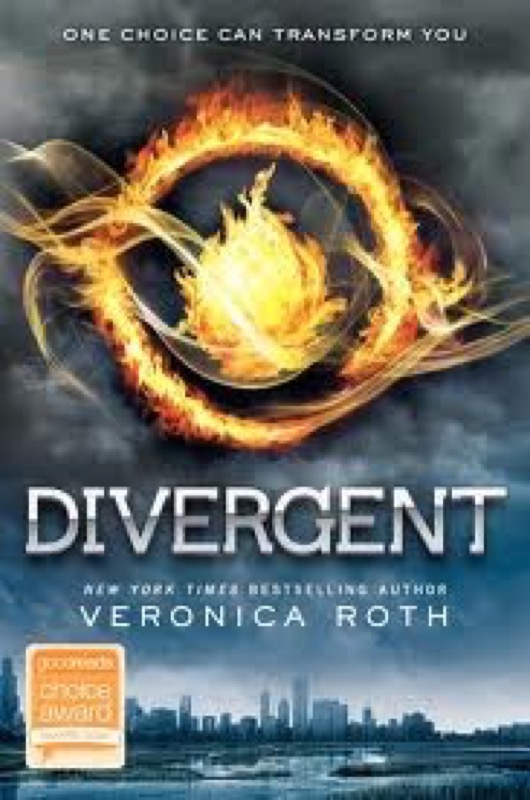
Divergent
2014 · 139 min
2014 YA dystopia — factions, fear, and Tris.
Hook & thesis
In Divergent, Neil Burger attempts to plunge into the murky waters of identity and societal division, yet the film ultimately unravels into a hollow echo of its source material. Verdict: The film’s potential for exploring the darker nuances of fear and rebellion is undermined by a sanitized, formulaic approach that cheapens its existential inquiries.
The contextual pivot
Set against a backdrop of a dystopian Chicago, Divergent emerges in an era where young adult adaptations were flourishing, yet struggling with authenticity. As part of the burgeoning canon post-The Hunger Games, Burger’s vision mirrors the aspirations of contemporary youth to transcend the confines of societal expectations. The invisible audience, largely comprised of teens and disenfranchised young adults, yearns for a narrative that not only entertains but also critiques the systematic structures they navigate daily. However, the director’s previous works, such as The Illusionist, suggest a penchant for surface-level storytelling, which remains evident here.
Deep-dive critique
The film navigates familiar genre tropes but stumbles in delivering a cohesive narrative that resonates with its audience. The cinematography by Alwin Küchler exhibits moments of grandeur, capturing the stark contrast between the factions, yet fails to evoke the emotional weight of Tris’s journey. The editing is choppy, leading to a disjointed pacing that undermines character development, particularly in the exploration of Tris’s internal conflict regarding her identity as a Divergent.
Shailene Woodley’s performance is earnest but restrained, unable to fully embody the complexity of Tris’s struggles. Theo James, while charismatic, falls into the archetype of the brooding hero without depth. The score, composed by Junkie XL, oscillates between sweeping orchestral arrangements and jarring electronic beats, failing to enhance rather than distract from pivotal moments. The mise-en-scène, while visually striking, often distracts from the thematic richness present in the source material.
The timeline and point of view are also problematic; the film’s reduction of Tris’s internal monologue to mere exposition dilutes the intensity of her choices and sacrifices. The climax, intended to encapsulate Tris’s defiance, feels unearned, a mere spectacle devoid of the emotional culmination that the book achieves.
Adaptation ledger
- Character Depth: Tris’s internal struggles are diluted; her myriad fears and motivations are oversimplified on screen.
- Faction Dynamics: The complexities of faction allegiance are glossed over, losing the political commentary embedded in the novel.
- Ending Alteration: The film concludes on a cliffhanger that lacks the narrative weight of the book’s resolution, failing to set up the sequel effectively.
- Romantic Subplot: Relationships are underdeveloped; the bond between Tris and Four feels rushed and lacks the emotional buildup seen in the text.
- Violence Depiction: The film tones down the graphic violence depicted in the book, softening the brutal realities of their dystopian world.
Discussion launchpad
The adaptation of Divergent raises polarizing questions about fidelity and the essence of cinematic storytelling. The film, while visually appealing, struggles to capture the darker themes of the novel, leaving audiences to ponder the loss of complexity in adaptation. Questions for the room:
- How does the film’s treatment of Tris’s internal conflict compare to the book’s portrayal?
- In what ways does the visual storytelling succeed or fail in delivering the dystopian environment?
- Can the film stand alone as a critique of societal structures, or is it merely a shadow of the source material?
- What does the adaptation reveal about the challenges of translating YA literature into film format?