
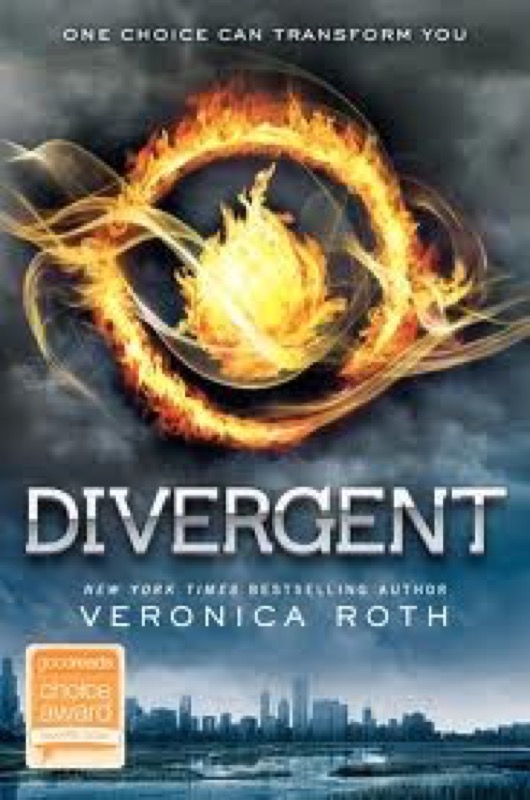
Divergent (Divergent, #1)
Divergent Series
Hook & thesis
Veronica Roth’s Divergent invites readers into a meticulously crafted dystopian society where identity and choice collide, creating a gripping narrative of self-discovery amid societal constraints. Verdict: This novel deftly explores the nuanced conflict between individuality and conformity, making it a compelling entry in the young adult genre.
The contextual pivot
Divergent sits comfortably within the dystopian landscape marked by titles like The Hunger Games and Matched, yet Roth’s approach distinguishes itself through an emphasis on personal identity and inner turmoil. The invisible audience includes young adults grappling with their own identities, and Roth successfully bridges niche themes with universal questions of belonging and choice, appealing to both genre enthusiasts and general readers alike.
Deep-dive critique
Roth’s structure—divided into distinct factions—serves to enhance the pacing and tension, effectively immersing readers in her world. The use of a first-person point of view allows for an intimate exploration of Tris’s internal conflicts, yet at times, this perspective can narrow the narrative scope, limiting the depth of secondary characters. The dialogue is sharp, reflecting the varying degrees of tension between factions, and the world-building is commendable; however, some of its mechanics, such as the timeline’s progression, sometimes feel rushed, leading to a less-than-fulfilling resolution. The thematic exploration of fear and bravery resonates powerfully, although the ending raises questions about the implications of choice in a constrained society, leaving some narrative threads underexplored.
Discussion launchpad
Divergent ignites discussions on several polarizing themes, such as the dichotomy of individual versus collective identity in a fractured society.
Questions for the room:
- How successfully does Roth depict the struggle for individuality within a conformist society?
- In what ways does the portrayal of violence influence the themes of identity and choice?
- Does the first-person narrative limit the reader’s understanding of other characters, and if so, how?
- What are the implications of the ending regarding personal choice, and is it satisfying?
- How do the societal factions reflect contemporary issues of identity and belonging?
#LiteraryAnalysis #darkthriller #dystopian #identity #theorchidroom