
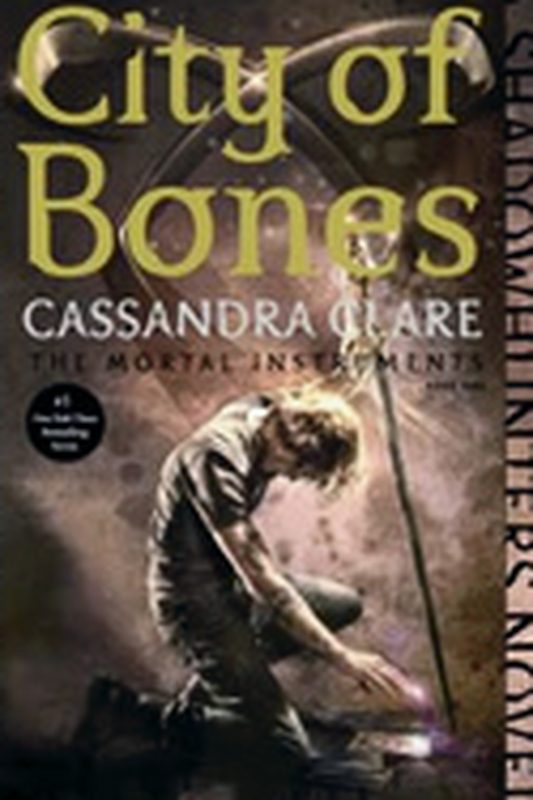
The Mortal Instruments: City of Bones
2013 · 130 min
2013 Shadowhunters adaptation of Cassandra Clare's urban fantasy.
Hook & thesis
In The Mortal Instruments: City of Bones, the adaptation aims to crystallize the chaos of urban fantasy into a coherent cinematic experience, yet fails to escape the superficiality of its own genre. Verdict: This film is a hollow shell, a mere glimmer of gothic potential buried beneath a clutter of tropes and missed opportunities.
The contextual pivot
Positioned within the burgeoning wave of young adult adaptations post-Twilight, Harald Zwart’s City of Bones emerges as a response to the cultural hunger for supernatural narratives infused with romance and adventure. Zwart, a director known for his ability to blend light-heartedness with darker tones, stumbles in this endeavor, struggling to capture the gothic intricacies of Cassandra Clare’s source material. The film speaks to a generation caught between the innocence of youth and the darkness of emerging adulthood, yet it often neglects its invisible audience — those who crave deeper thematic explorations and complexity in character arcs.
Deep-dive critique
The film’s cinematography attempts to evoke a sense of the otherworldly, with its dimly lit alleys and intricate set designs; however, it often falls flat, leaning too heavily on CGI rather than tangible artistry. The mise-en-scène lacks the brooding atmosphere essential for a compelling gothic narrative, resulting in a visual experience that feels more cluttered than cohesive. Editing choices intermittently disrupt pacing, leaving moments of emotional weight hanging without resolution, particularly in the relationship dynamics between Clary (Lily Collins) and Jace (Jamie Campbell Bower).
Performance-wise, Collins delivers a passable portrayal of Clary, yet her emotional stakes don’t always resonate, hampered by inconsistent dialogue that oscillates between forced quips and melodramatic declarations. The score, while occasionally atmospheric, fails to elevate the tension, often blending into the background rather than underscoring the narrative’s darker themes. Ultimately, the film’s ending lacks the gravitas necessitated by both the source material and the journey undertaken by its characters, leaving viewers unfulfilled.
Adaptation ledger
- Character Depth: Clary’s internal struggle with her identity is explored more thoroughly in the book, while the film glosses over these nuances, reducing her arc to a series of tropes.
- Romantic Tension: The tension between Clary and Jace is more complex in the novel, laden with emotional stakes; the film simplifies this to a predictable romance.
- World-Building: The film offers a cursory glance at the Shadowhunter world, losing much of the rich lore presented in Clare’s narrative.
- Villain Motivation: Valentine (Jonathan Rhys Meyers) is given clearer motivations in the book that are largely absent in the film, making his character feel flat and unengaging.
Discussion launchpad
The adaptation polarizes opinions regarding fidelity to source material versus standalone cinematic merit. While some may argue for the film’s accessibility to new audiences, others lament its failure to capture the gothic essence that defines Clare’s work. Questions for the room:
- How does the film’s portrayal of Clary’s journey compare to the original text?
- In what ways does the adaptation succeed or fail in representing the gothic elements present in the source material?
- Can the film be enjoyed separately from the book, or does its fidelity impact its reception?
- What role does the CGI-heavy aesthetic play in the overall effectiveness of the adaptation?