
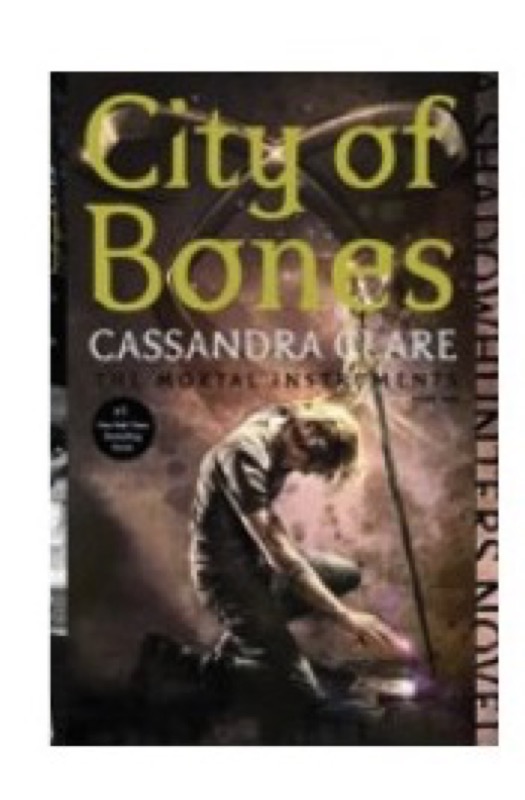
City of Bones
The Mortal Instruments — Book One
Hook & thesis
Cassandra Clare’s City of Bones is a daring exploration of identity and belonging, wrapped in the trappings of a fantastical urban landscape. Verdict: This book masterfully intertwines the visceral pangs of young love with the darker undercurrents of a supernatural world, creating a compelling narrative that resonates beyond its genre.
The contextual pivot
As the first installment in The Mortal Instruments series, City of Bones sits firmly within the young adult urban fantasy genre, a niche that Clare deftly occupies with her signature blend of romance and adventure. The text echoes themes found in other works like Holly Black’s The Cruel Prince and Sarah J. Maas’s Throne of Glass, yet Clare’s deft touch in crafting a relatable heroine and a richly imagined world draws in both genre aficionados and general readers. The invisible audience here is primarily young adults grappling with their own identities amid societal pressures, making Clare’s themes of discovery and belonging universally relatable.
Deep-dive critique
The narrative structure of City of Bones employs a first-person perspective, which immerses readers directly into Clary Fray’s psyche, allowing us to feel her confusion and desire. This choice effectively enhances the emotional stakes as Clary navigates a world filled with demons and shadow hunters, yet it can also limit depth of secondary characters. While Clare’s prose is often vivid and evocative, there are moments where dialogue feels contrived or expository, particularly in scenes meant to clarify the world-building. For instance, the frequent info-dumps regarding the Shadowhunter lore can disrupt the pacing and pull readers out of the narrative flow.
The thematic exploration of familial ties and personal identity serves as the engine of the story, driving Clary’s transformation from an ordinary teenager to a pivotal player in the shadow world. The tension between her mundane life and the supernatural chaos surrounding her creates a compelling dichotomy, underscoring the book’s exploration of what it means to belong. However, the resolution of the central conflict feels somewhat rushed, lacking the emotional payoff that the buildup deserves. The finale, while thrilling, does not fully resolve the complexities introduced throughout the plot, leaving some character arcs frustratingly unfulfilled.
Discussion launchpad
City of Bones is both a celebration of young love and a critique of the complexities of family ties in a fantastical context, which raises polarizing debates about the balance between romance and plot.
Questions for the room:
- Does Clare’s focus on romantic tension undermine the overall narrative arc?
- How effectively does City of Bones juxtapose the supernatural with the very real struggles of adolescence?
- Are the stakes in Clary’s journey compelling enough to maintain reader investment, or do they falter in the face of predictable tropes?
- How do the supporting characters contribute to or detract from Clary’s development?
- In what ways does the urban setting enhance or distract from the story’s themes?
#TheOrchidRoom #fantasyromance #darkromance #urbanfantasy #shadowhunters