
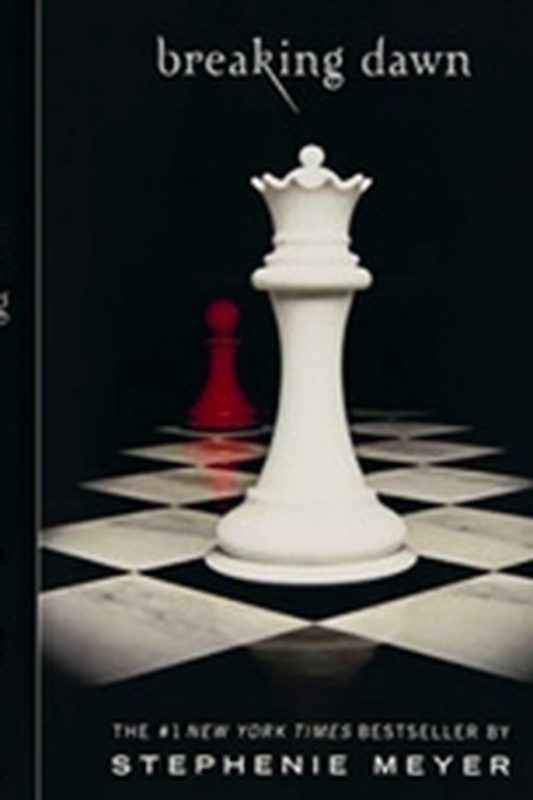
The Twilight Saga: Breaking Dawn – Part 1
2011 · 117 min
2011 wedding, honeymoon, and impossible pregnancy.
Hook & thesis
In “The Twilight Saga: Breaking Dawn – Part 1,” Bill Condon attempts to weave a tale of love and monstrosity that ultimately reveals the grotesque underbelly of romantic idealism. Verdict: The film is a visual spectacle that marries dark themes of obsession and sacrifice with gothic flair, yet falters in its execution, leaving the audience yearning for a deeper exploration of its chilling conflict.
The contextual pivot
As the penultimate chapter in a franchise that redefined the supernatural romance genre, this adaptation of Stephenie Meyer’s “Breaking Dawn” reflects the cultural zeitgeist of early 2010s America, where youthful fantasies collided with darker, more mature themes. Condon’s direction marks a pivotal shift from previous installments, embracing a more gothic aesthetic that complements the film’s obsession with love at a cost. The invisible audience here is the young adult demographic, grappling with notions of identity and sacrifice while simultaneously enchanted by the allure of the supernatural.
Deep-dive critique
The film’s cinematography, with its lush, sweeping landscapes, contrasts sharply with the claustrophobic tension of Bella’s (Kristen Stewart) pregnancy, symbolizing her entrapment in a world where love morphs into something monstrous. Condon employs a slow pacing that mimics the weight of Bella’s choices, yet at times, it turns languid, undermining the urgency necessary for such dark themes.
Performances shine amid the shadows, particularly Stewart’s portrayal of Bella’s transformation — a haunting blend of vulnerability and ferocity. The score, layered with haunting strings, accentuates the film’s gothic edge and amplifies moments of dread, especially those tied to the grotesque aspects of her pregnancy. However, the editing can falter; at times, it seems to gloss over pivotal emotional beats, as if unsure how to reconcile the horrific realities of Bella’s condition with the romantic narrative.
In terms of mise-en-scène, the wedding scene stands out, dripping with both beauty and an undercurrent of impending doom, effectively capturing the duality of celebration and horror. Yet, the film’s ending lacks the emotional heft earned by the source, leaving audiences with a sense of unresolved tension rather than a satisfying conclusion.
Adaptation ledger
- The film condenses multiple chapters of the book into one narrative arc, losing some character development in favor of streamlining the plot.
- The graphic nature of Bella’s pregnancy is toned down in the film, focusing more on emotional impact than raw horror.
- The role of Jacob (Taylor Lautner) is expanded, providing additional conflict but diverging from the book’s tighter focus on Bella and Edward’s (Robert Pattinson) relationship.
- The film introduces dream sequences that are not present in the text, enhancing the gothic atmosphere but straying from the source’s linear narrative.
- The wedding scene, while a key moment in both mediums, is elaborately visualized to heighten its romantic stakes, contrasting with the book’s more understated approach.
Discussion launchpad
The adaptation invites debates over fidelity to source material versus creative interpretation. How does the film balance its romantic ideals with the darker themes of sacrifice and body horror? Are the changes made in the adaptation justified by the cinematic experience, or do they dilute the essence of the original text? Questions for the room:
- Does the film successfully convey the horror beneath its romantic facade?
- Are Bella’s sacrifices portrayed as empowering or as a tragic flaw?
- How does the film’s aesthetic complement or contradict its narrative themes?
- In what ways does Condon’s adaptation reflect societal attitudes toward romance and sacrifice in contemporary youth culture?