
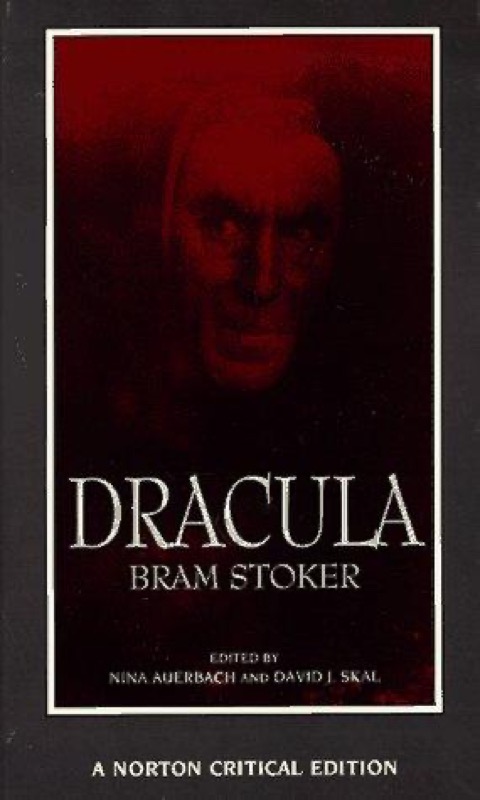
Bram Stoker's Dracula
1992 · 128 min
1992 operatic reimagining of Stoker's gothic classic.
Hook & thesis
Francis Ford Coppola’s Bram Stoker’s Dracula is a visually stunning and operatic reimagining of the classic novel, intertwining themes of love and desire with horror. Verdict: This adaptation transcends mere fidelity to the source material, instead offering a bold exploration of the human psyche that resonates deeply, even if it occasionally sacrifices narrative clarity.
The contextual pivot
Released in 1992, Bram Stoker’s Dracula emerges from a cultural landscape ripe for revisiting gothic horror, leveraging the distinct vision of Coppola, known for The Godfather and Apocalypse Now. While it draws from the literary tradition of gothic horror, this adaptation speaks to an audience seeking deeper emotional connections amidst the genre’s tropes, positioning itself as both a homage and a critique of romanticized violence and desire.
Deep-dive critique
Coppola’s film excels in mise-en-scène, employing rich colors and dramatic lighting to enhance the emotional stakes. The cinematography by Michael Ballhaus captures the haunting beauty of the landscapes and the characters’ inner turmoil, making the viewer feel the weight of each moment. The pacing fluctuates, sometimes sacrificing coherence for atmospheric depth, which might confuse viewers unfamiliar with the source material.
The score by Wojciech Kilar amplifies the gothic elements, intertwining orchestral swells with haunting melodies that echo the characters’ emotional conflicts. However, while the performances—especially Gary Oldman as Dracula and Winona Ryder as Mina—are captivating, the dialogue occasionally feels melodramatic, detracting from the film’s overall impact. The ending, while visually striking, can be seen as less earned, diverging from Stoker’s narrative in favor of a more romantic conclusion.
Adaptation ledger
- Characterization of Dracula: Oldman’s portrayal emphasizes tragic love over pure evil, altering the character’s fundamental nature.
- Mina’s Agency: The film gives Mina a more proactive role, diverging from her passive depiction in the novel.
- Love Triangle: The focus on the relationship dynamics adds layers absent in the original text.
- Visual Symbolism: The film invents dramatic visuals, like the blood-infused scenes, to represent emotional turmoil.
Discussion launchpad
The film’s divergence from Stoker’s gothic roots raises questions about fidelity in adaptations and the balance between emotional depth and narrative clarity. Questions for the room:
- How do character changes impact the moral lessons from the original text?
- Is the romanticization of Dracula a betrayal of the horror genre?
- How does the film’s visual style enhance or detract from the storytelling?
- What does this adaptation say about love and desire in the context of horror?