
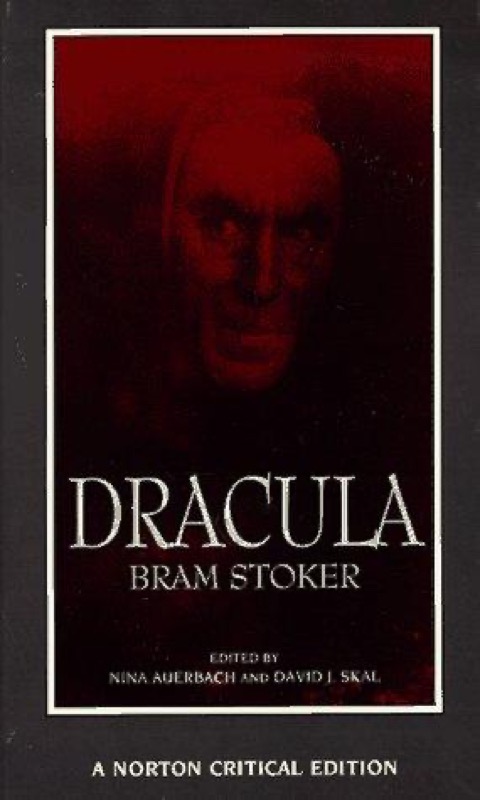
Dracula
Hook & thesis
Bram Stoker’s Dracula serves as a profound exploration of Victorian anxieties surrounding sexuality, gender roles, and the clash of modernity and superstition. Verdict: While often celebrated as a classic horror tale, it ultimately reveals deeper societal fears about the unknown and the Other, challenging readers to confront their own prejudices.
The contextual pivot
As a seminal work in the gothic horror genre, Dracula not only popularized the vampire mythos but also set a precedent for how such themes intersect with sexual and social tensions. Stoker’s work stands alongside contemporaries like Mary Shelley’s Frankenstein, as both authors grapple with the boundaries of humanity and monstrosity. The invisible audience for Dracula spans both dedicated horror enthusiasts and broader readers seeking to engage with late 19th-century societal issues, making it a bridge between niche gothic tropes and general literary appreciation.
Deep-dive critique
Stoker employs a multi-perspective narrative structure that enriches the reader’s understanding of the characters’ psychological states, providing various viewpoints that serve to amplify the novel’s central conflicts. The use of letters and diary entries creates an immersive experience, allowing readers to feel the immediacy of the characters’ fears and desires. However, pacing can feel uneven, particularly in the latter half, where action occasionally stalls amid lengthy exposition. Thematically, Dracula excels in its portrayal of the tension between civilization and savagery, most evident in the contrasts between the characters of Mina Harker and Lucy Westenra, who embody societal expectations of femininity versus the allure of the predatory vampire. The ending, with its swift resolution, may feel abrupt to some, yet it encapsulates the Victorian moral imperative to triumph over chaos, reinforcing the notion of good versus evil.
Discussion launchpad
Dracula invites a range of polarizing discussions, particularly regarding its portrayal of women and colonialism.
Questions for the room:
- How does Stoker’s depiction of Mina and Lucy reflect Victorian ideals of womanhood?
- In what ways does the novel address colonial anxieties, particularly through the character of Dracula?
- To what extent does the narrative’s structure enhance or hinder the overall impact of the story?
- How do the horror elements serve to amplify the social commentary within the text?
#LitClass #Grade11 #RequiredReading #GothicHorror #ClassicLiterature