
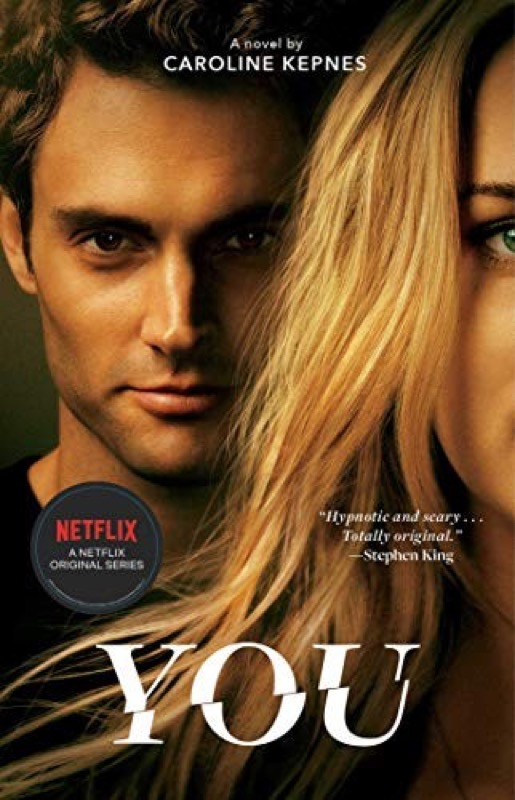
You (You, #1)
You can't choose who you love.
Hook & thesis
Caroline Kepnes’ You masterfully navigates the psyche of obsession, challenging the reader to grapple with the chaos of unrequited love and moral ambiguity. Verdict: This is not merely a thriller; it’s a haunting exploration of how desire can warp reality and lead to self-destruction.
The contextual pivot
Positioned within the stalker-obsession subgenre, You stands out for its intimate narration and psychological depth, inviting comparisons to works like Gone Girl by Gillian Flynn and The Collector by John Fowles. Kepnes crafts a narrative that bridges niche tropes of dark romance with broader themes of obsession and identity, appealing to both genre enthusiasts and general readers intrigued by the darker facets of love. This duality creates an invisible audience that yearns for both thrills and introspection, making the novel a provocative read.
Deep-dive critique
Kepnes employs a second-person narrative, which displaces the reader into the mind of Joe Goldberg, the protagonist and stalker, creating an unsettling intimacy that both captivates and repulses. The pacing is deliberate, allowing for a slow burn that amplifies tension; chapters often end with cliffhangers that compel readers to delve deeper into Joe’s warped psyche. The prose is laced with sharp wit and cultural references that reflect Joe’s self-justification, revealing his manipulation of both his surroundings and the narrative itself.
However, the structure, while engaging, can sometimes falter under the weight of its own ambition. The timeline feels stretched at points, and certain character arcs, particularly concerning secondary characters, lack the depth to fully resonate. Despite these flaws, the thematic exploration of obsession and the desire for connection is strikingly poignant, and the ending, steeped in moral ambiguity, feels both earned and disquieting, leaving readers reflecting on the nature of love and the cost of desire.
Discussion launchpad
Kepnes’ intricate portrayal of Joe raises polarizing questions about empathy and morality in fiction. Are we meant to sympathize with him, or is he simply a monster? The book’s combination of dark humor and chilling reality can ignite debates about the nature of love and obsession.
Questions for the room:
- To what extent do you think Joe’s narrative elicits sympathy, and how does this challenge our perception of morality in literature?
- How does the reliance on second-person narration impact your connection to Joe as a character?
- What role does cultural commentary play in shaping Joe’s character and his worldview?
- In what ways does You compare to other psychological thrillers in terms of its exploration of love and obsession?
- How do the content warnings influence your reading experience and interpretation of the novel?
#TheOrchidRoom #You #CarolineKepnes #psychologicalthriller #darkromance