
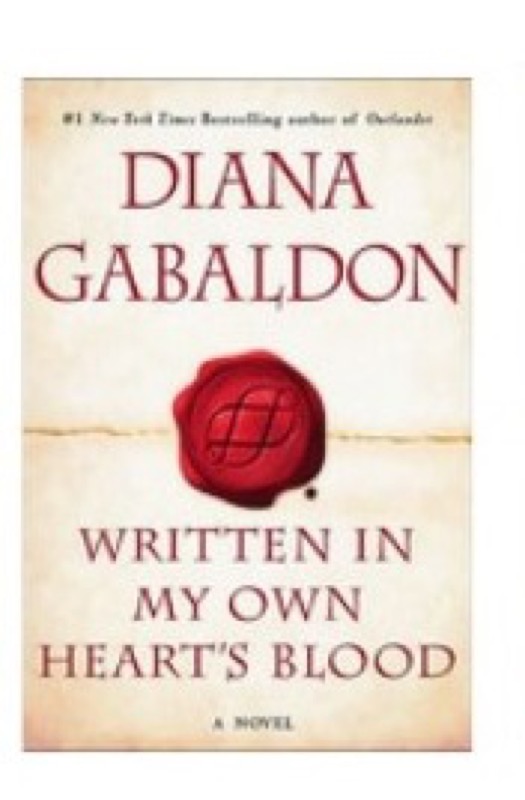
Written in My Own Heart's Blood
A Novel
Hook & thesis
In Written in My Own Heart’s Blood, Diana Gabaldon crafts a sprawling narrative that transcends time, deftly intertwining themes of love, loyalty, and the haunting specter of war. Verdict: Gabaldon’s masterful exploration of the human condition amid tumultuous historical landscapes brings forth a poignant tale that captivates and unsettles in equal measure.
The contextual pivot
As a cornerstone of the fantasy-romance genre, Gabaldon’s work stands shoulder-to-shoulder with titans like Susanna Clarke and Sarah J. Maas, yet carves its own niche through a rich tapestry of historical detail and emotional depth. The Outlander series, of which this novel is a part, appeals to a devoted audience familiar with its intricate character arcs and time-travel mechanics. Gabaldon effectively bridges the gap between niche historical romance aficionados and a broader readership, inviting anyone with an appreciation for complex love stories and the tragic realities of war.
Deep-dive critique
Gabaldon’s structural choices serve as a backbone to the narrative’s emotional weight. The intermingling of multiple timelines allows characters to evolve against the backdrop of their historical context, yet at times, this dual chronology can dilute the intensity of the central conflict. Her prose, lush and richly descriptive, frames the visceral realities of the Revolutionary War in a way that feels intimately personal, yet can occasionally stall pacing as characters reflect deeply on their emotional landscapes.
The characters, particularly Claire and Jamie, are meticulously crafted, embodying both strength and vulnerability, which makes their struggles all the more palpable. Dialogue crackles with tension, weaving through layers of history and personal stakes, though some exchanges can feel overly expository. Gabaldon’s ability to portray love in its myriad forms — romantic, parental, and platonic — creates a textured narrative that resonates with readers.
However, some readers may find the graphic depictions of violence and war challenging, as they juxtapose starkly with the tender moments of connection. The ending, while satisfying in its resolution of personal arcs, leaves threads dangling that might frustrate those seeking closure in the wider historical narrative.
Discussion launchpad
Gabaldon’s work offers rich ground for discussion, particularly regarding the balance between romance and the harsh realities of historical events. How do these elements inform our understanding of love in extreme conditions?
Questions for the room:
- How does Gabaldon’s portrayal of violence affect your perception of the romance?
- In what ways does the historical context enrich or hinder the character development?
- Are the dual timelines effective in building tension, or do they detract from the immediacy of the narrative?
- How do you interpret the ending in relation to the characters’ journeys?
- What themes resonate most strongly with today’s societal issues, and how does that impact your reading experience?
#TheOrchidRoom #fantasyromance #historical #outlander #literaryanalysis