
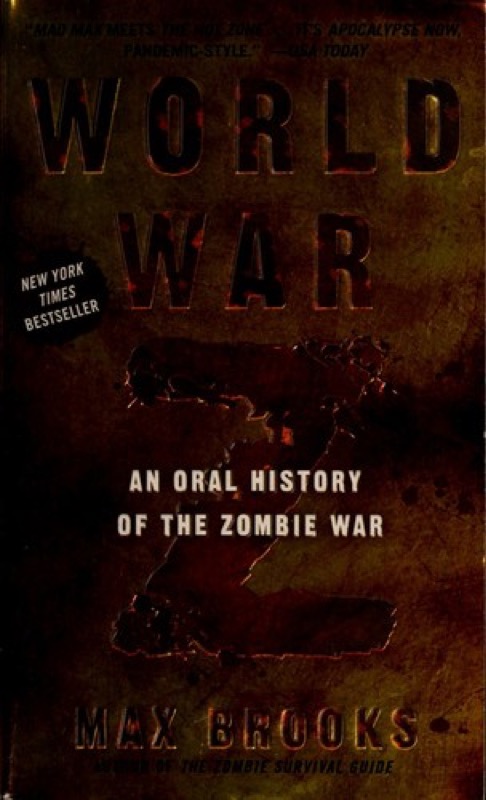
World War Z: An Oral History of the Zombie War
Hook & thesis
Max Brooks’s World War Z: An Oral History of the Zombie War constructs an intricate tableau of human resilience amid the chaos of a zombie apocalypse, using the oral history format to amplify its urgent themes. Verdict: This work transcends typical genre expectations, emerging as a profound exploration of societal collapse and the human condition.
The contextual pivot
Positioned within the dark-thriller genre, World War Z stands out for its innovative approach, blending horror with sociopolitical commentary. Unlike other zombie narratives that often lean into gore and shock, Brooks’s book invites readers to confront the implications of societal breakdown through a myriad of personal testimonies. It bridges niche horror tropes with broader audiences by framing the zombie apocalypse as a reflection of contemporary anxieties—be it disease, war, or environmental catastrophe—making it accessible to readers beyond typical horror aficionados.
Deep-dive critique
Structurally, the oral history format serves to create an expansive yet intimate feel, allowing for diverse voices that enrich the narrative tapestry. This choice of multiple perspectives enhances the themes of collective experience and survival. The pacing varies across accounts, which sometimes leads to an uneven rhythm, but it generally maintains a gripping tension that propels the reader forward. Brooks’s prose is direct and effective; it lacks excessive embellishment, which suits the urgency of the subject matter. However, the dialogue occasionally feels stilted, detracting from the authenticity of the characters’ voices, particularly in moments of emotional weight.
The thematic success is notable in its exploration of fear and the instinct to survive, with each testimony revealing different facets of human nature. The culmination of these narratives leading to a collective understanding of loss and resilience makes the ending feel earned, though it could benefit from a more cohesive closing statement that ties individual stories back to the broader theme. Overall, Brooks excels in world-building through meticulous attention to detail, allowing readers to envision the aftermath of the global crisis vividly.
Discussion launchpad
The book presents polarizing elements around the nature of fear and survival within a fictional apocalypse versus real-world implications. Are the horrors depicted merely a reflection of our societal fears, or do they serve as a cautionary tale?
Questions for the room:
- How does the oral history format impact your connection to the characters?
- Is the book an effective critique of contemporary social issues, or does it fall short?
- Can the horror of zombies be considered a metaphor for real-life fears, such as pandemics or war?
- What role does hope play in the narrative, and is it ultimately uplifting or disheartening?
- How do you interpret the varying perspectives on survival, and which resonated with you?
#LiteraryAnalysis #darkthriller #horror #zombies #oralhistory #TheOrchidRoom