
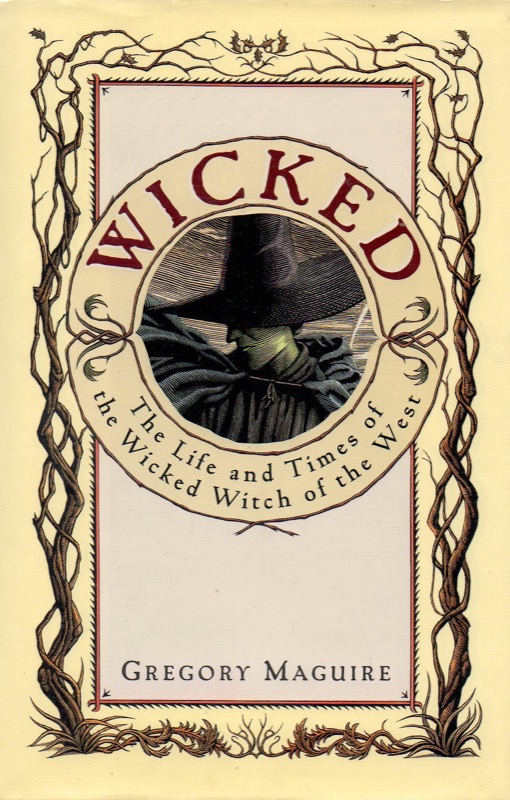
Wicked: The Life and Times of the Wicked Witch of the West (The Wicked Years, #1)
The Wicked Years
Hook & thesis
Gregory Maguire’s Wicked: The Life and Times of the Wicked Witch of the West reimagines the iconic figure of the Wicked Witch, exploring the nuanced interplay of morality and identity. Verdict: This ambitious retelling transcends mere fantasy to probe the depths of societal judgment and personal agency, making it a profound commentary on the nature of good and evil.
The contextual pivot
Situated within the gothic horror romance genre, Wicked occupies a unique space that blends the fantastical with the ethical dilemmas inherent in human existence. Maguire’s work stands as a bridge between traditional fairy tales and the modern moral quandaries faced by contemporary readers. Unlike conventional narratives that paint characters in stark black and white, Maguire’s exploration of Elphaba’s life complicates the archetype of the villain, inviting readers to reconsider preconceived notions. This retelling resonates with those familiar with Baum’s original Oz but is crafted to engage a broader audience who may find the intricacies of friendship and betrayal especially relevant today.
Deep-dive critique
Maguire’s structure presents a non-linear timeline that allows for a deep exploration of Elphaba’s psyche, effectively enhancing the thematic complexity. The alternating perspectives, particularly the use of an omniscient narrator, magnify Elphaba’s isolation while simultaneously inviting empathy from the reader. This technique serves to underscore the central conflict of identity versus societal expectation — a human experience that resonates beyond the fantastical setting.
The prose itself is rich and evocative, often employing lush descriptions that create a palpable sense of place, yet it risks overwhelming the reader at times. For instance, the world-building is intricate, yet certain passages may come off as ponderous, potentially alienating those seeking a faster-paced narrative. However, when Maguire allows Elphaba’s voice to shine through in dialogue, the emotional stakes rise sharply, illustrating the character’s internal struggles with raw authenticity.
The ending, while engaging, can leave some feeling ambivalent, as it challenges the notion of closure. Rather than providing a neat resolution, it invites reflection on the unresolved tensions between good and evil, thus mirroring the real-world complexities of human morality. This thematic bravery is both the book’s strength and its potential point of contention.
Discussion launchpad
Maguire’s Wicked offers fertile ground for debate, particularly regarding its reinterpretation of classic good versus evil narratives. The nuanced portrayal of Elphaba invites discussion on whether true villainy exists or if it is merely a product of circumstance and perspective.
Questions for the room:
- How do you interpret the moral ambiguities presented in Wicked?
- In what ways does Elphaba’s character challenge traditional views of villainy?
- Do you feel the ending aligns with the themes of the book, or does it undermine its message?
- What role do friendships play in shaping Elphaba’s identity, and how does this reflect real-life relationships?
- How does the book’s use of gothic elements enhance or detract from its themes?
#TheOrchidRoom #gothic #horrorromance #fantasy #retelling