
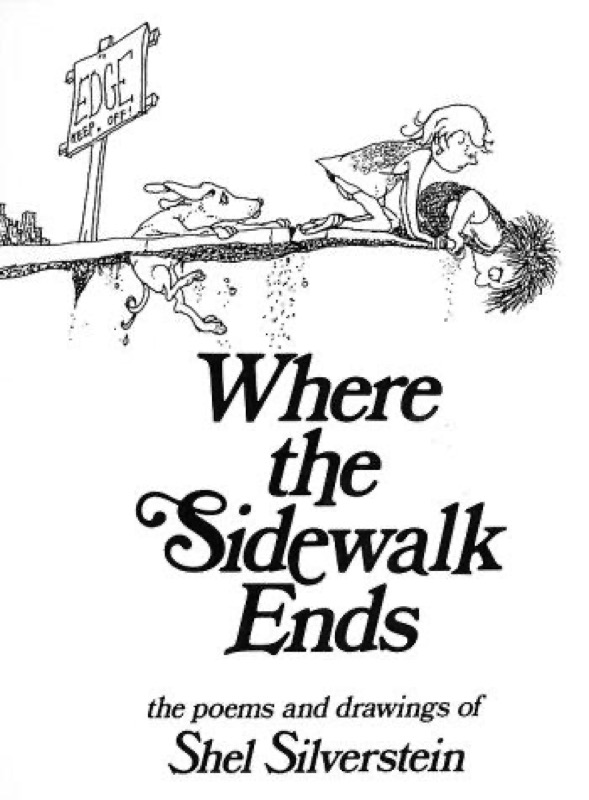
Where the Sidewalk Ends
Hook & thesis
In Where the Sidewalk Ends, Shel Silverstein deftly navigates the boundary between innocence and the uncanny, crafting a world where whimsy masks deeper truths about human experience and longing. Verdict: This collection of poetry challenges the reader to embrace the darkness lurking beneath playful surfaces, revealing that the most profound desires often reside in our most childlike imaginings.
The contextual pivot
As a cornerstone of children’s literature, Silverstein’s work straddles the line between the gothic and the whimsical, making him a unique figure in the landscape of poetic narratives. While many children’s poets favor straightforward morality tales, Silverstein invites readers into a space where imagination thrives alongside elements of horror and melancholy. This book serves not only as a bridge to engage younger audiences with darker themes but also resonates with adults, beckoning them to rediscover their own latent fears and desires through the lens of childhood. Here, the invisible audience is both the child and the adult, each finding different meanings in the same verses, allowing the work to transcend age boundaries and resonate universally.
Deep-dive critique
Silverstein utilizes a distinctive structure that juxtaposes playful rhyme schemes with somber themes, creating a complex emotional tapestry. The pacing varies throughout the collection, with some poems brisk and buoyant, while others linger longer on poignant reflections, effectively mirroring the duality of joy and sorrow that defines human experience. For instance, in poems like “Hug O’ War,” the lighthearted façade collapses under the weight of underlying competition and desire for connection, illustrating the inherent conflict between play and the seriousness of relationships.
The prose is deceptively simple yet laced with intricate imagery that evokes a sense of nostalgia and unease. Silverstein’s choice of dialogue—often featuring children and whimsical creatures—further amplifies this tension, as their innocent voices grapple with profound themes of loss and longing. The world-building, while grounded in a familiar childhood landscape, is imbued with surreal elements that invite readers to question the boundary between reality and imagination. The ending of the collection, rather than offering closure, leaves an ambiguous invitation to explore further, an earned conclusion that reinforces the cyclical nature of dreams and desires.
Discussion launchpad
Silverstein’s work is a rich tapestry of contradictions, raising questions about the balance between light and dark in storytelling. His blend of gothic elements with childlike wonder polarizes readers, inviting heated discussions on the appropriate boundaries of children’s literature.
Questions for the room:
- How does the juxtaposition of whimsy and darkness affect your interpretation of the poems?
- Can poetry for children effectively tackle themes of loss and desire without compromising their innocence?
- What does Silverstein’s approach reveal about the complexities of human emotions as we transition from childhood to adulthood?
- How does the imagery employed in the poems shape your understanding of the themes presented?
- In what ways does this collection challenge the traditional boundaries of children’s literature?
#TheOrchidRoom #gothic #horrorromance #poetry #imagination