
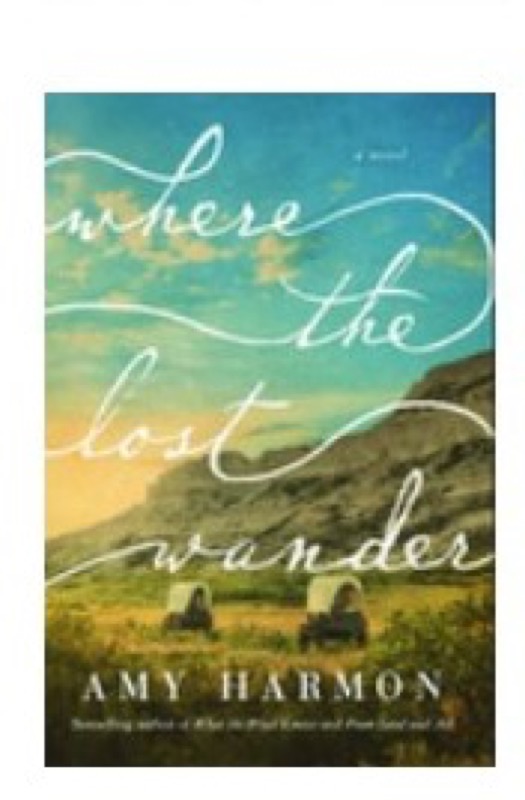
Where the Lost Wander
a novel
Hook & thesis
In Where the Lost Wander, Amy Harmon plunges us into the turbulent world of 19th-century pioneers, where survival is as much about the heart as it is about the land. The book’s true engine is the conflict between desire and duty, shaping characters who navigate the treacherous landscapes of both the wilderness and their own emotions. Verdict: Harmon crafts a poignant exploration of love’s resilience amidst relentless hardship, delivering a gut-wrenching yet beautifully woven narrative.
The contextual pivot
This novel sits firmly within the dark-cowboy-romance subgenre, where the rugged allure of the American West meets the stark realities of pioneer life. Harmon’s work resonates with echoes of authors like Laura Ingalls Wilder and Willa Cather, though it leans into more visceral themes of violence and longing. The invisible audience is likely those who relish historical narratives imbued with gothic undertones; Harmon successfully bridges niche tropes to engage general readers through her rich characterizations and evocative settings.
Deep-dive critique
Harmon’s structure, alternating between multiple points of view, enriches the narrative, allowing readers to experience the breadth of emotional turmoil faced by the characters. The pacing, however, sometimes falters as the narrative meanders through descriptions of hardship that, while evocative, risk losing momentum. Harmon excels in her prose—lyrical and vivid, she paints landscapes that are as much characters as the people inhabiting them. The dialogue rings true to the period, effectively grounding the reader in the historical context.
However, the thematic weight sometimes feels uneven. The portrayal of violence serves as a stark backdrop, but at times, it overwhelms the narrative, challenging the reader’s ability to remain engaged with the characters’ emotional arcs. The ending, while cathartic, skirts the line between earned resolution and convenient closure, leaving some threads tantalizingly unresolved. Harmon invites us to ponder the cost of love and survival, but the balance between these themes occasionally teeters, invoking questions about the narrative’s stakes.
Discussion launchpad
Harmon presents a landscape rich with polarities: the tension between survival and desire, freedom and obligation, love and loss. Such contrasts will undoubtedly ignite spirited discussions among readers.
Questions for the room:
- Does the balance of violence and romance enhance or detract from the central themes of the story?
- How effectively do the character arcs satisfy the emotional stakes set up in the beginning?
- In what ways does Harmon’s portrayal of pioneer life reflect contemporary struggles with identity and belonging?
- How does the setting influence character motivation and development throughout the novel?
- Is the resolution of the novel satisfying, or does it feel contrived in the context of the characters’ journeys?
#TheOrchidRoom #cowboyromance #darkromance #historical #literaryanalysis