
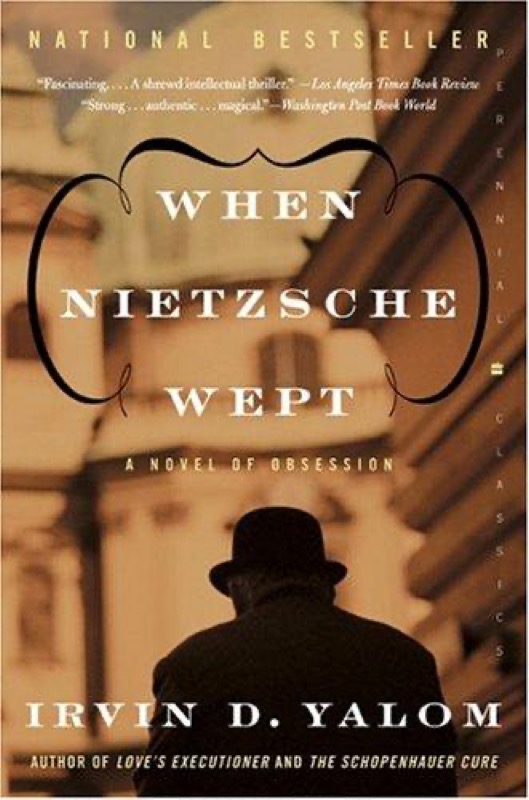
When Nietzsche Wept
Hook & thesis
Irvin D. Yalom’s When Nietzsche Wept explores the treacherous intersection of philosophy and psychology through a fictive meeting between the famed philosopher Friedrich Nietzsche and the pioneering psychoanalyst Josef Breuer. Verdict: This novel juggles heavy themes of existential despair and the quest for meaning, yet ultimately falters under its own intellectual weight, leaving the reader questioning whether the exploration of dark human conflicts can truly resolve into clarity.
The contextual pivot
Set against the backdrop of 19th century Vienna, When Nietzsche Wept straddles both historical fiction and psychological thriller genres, merging profound philosophical inquiry with emotional turmoil. Yalom, known for his explorative narratives that often draw from his expertise in psychiatry, invites readers not only to witness the characters’ psychological battles but also to ponder the broader implications of human suffering. This work aligns with other thinkers-turned-writers like Milan Kundera (The Unbearable Lightness of Being) and Julian Barnes (Arthur & George), yet it presents a unique blend of introspection and suspense that may appeal to both niche audiences and general readers seeking a deeper understanding of the human psyche.
Deep-dive critique
The structure of When Nietzsche Wept cleverly weaves together alternating perspectives, primarily focusing on Breuer’s struggles with his own mental health while interspersing Nietzsche’s philosophical musings. Yalom’s prose is rich and layered, successfully conjuring an atmosphere ripe with existential dread. However, the pacing sometimes drags as philosophical debates overshadow character development, creating a disconnect that dulls the emotional impact. For instance, a dialogue-heavy sequence where Nietzsche grapples with the concept of eternal recurrence feels meandering, lacking grounding in Breuer’s immediate psychological crisis. Despite Yalom’s skills in crafting compelling characters, the dialogue can be excessively cerebral, distancing readers from the raw human emotions at stake. The ending, while poignant, leaves many threads unresolved, mirroring the complexity of human relationships yet frustratingly denying the closure that might have lent the narrative a more satisfying arc.
Discussion launchpad
When Nietzsche Wept polarizes readers by straddling the line between intellectual engagement and emotional resonance, provoking debates around the effectiveness of philosophical exploration in fiction. Questions for the room:
- Does the novel succeed in marrying philosophy with narrative, or does it lean too heavily on intellectualism?
- How do the characters’ mental health struggles reflect broader societal themes of the time, and do they resonate today?
- Should literature offer resolution, or is the open-ended nature of this narrative a strength?
- In what ways does Yalom’s background as a psychiatrist influence the portrayal of his characters’ psychological landscapes?
- What is the role of dialogue in shaping character depth, and does it serve the narrative or detract from it?
#LiteraryAnalysis #GothicEdge #darkthriller #philosophy #theorchidroom