
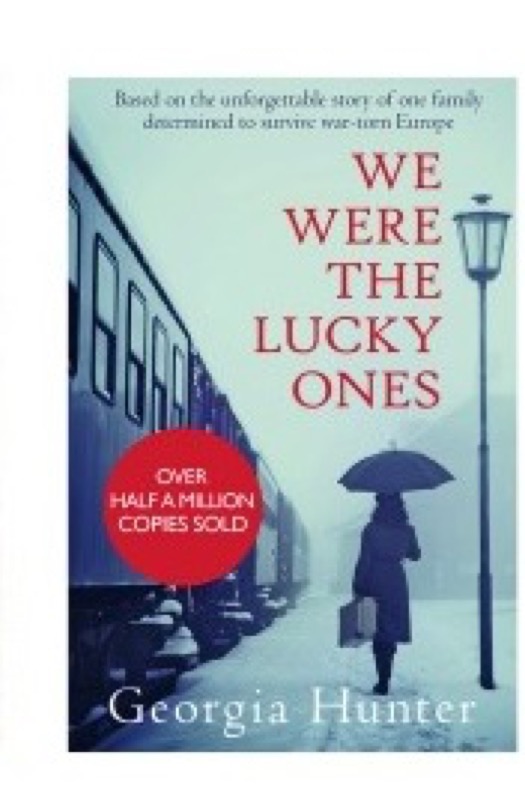
We Were the Lucky Ones
Hook & thesis
We Were the Lucky Ones, by Georgia Hunter, plunges into the harrowing depths of family separation during the Holocaust, illuminating the thin line between survival and despair. Verdict: This poignant family saga serves as a chilling reminder that luck can be a double-edged sword, casting a dark shadow over the human condition.
The contextual pivot
Nestled within the dark-thriller genre, Hunter’s narrative echoes the gravitas of Holocaust literature while interweaving the strain of familial bonds under the weight of historical atrocities. Unlike typical narratives that romanticize survival, it confronts the grim realities faced by its characters, making it a visceral addition to the canon alongside works by authors like Elie Wiesel and Primo Levi. The invisible audience is a tapestry of history buffs and readers seeking raw, unfiltered portrayals of trauma, yet it possesses the potential to bridge niche tropes with broader literary themes, drawing in even those unacquainted with Holocaust narratives.
Deep-dive critique
Hunter’s craft shines in her ability to weave multiple perspectives into a cohesive narrative that explores the psychological fragmentation of her characters, a technique that both serves and enhances the central theme of survival. The non-linear structure, which alternates between various family members’ experiences, effectively reflects the chaos of wartime, though at times, it can lead to a disjointed reading experience that disrupts emotional immersion. The pacing is deliberate, allowing readers to grapple with the weight of each character’s plight, yet it occasionally lingers too long on events that could have been more efficiently conveyed.
Moreover, Hunter’s prose is evocative, yet it walks a fine line between poetic and overly sentimental. When she describes the stark realities of war and familial loss, she strikes with precision, but moments of melodrama occasionally detract from the authenticity of her characters’ trauma. Dialogue often feels authentic in its rawness, capturing the urgency and desperation of wartime communication, yet some exchanges risk feeling anachronistic, which might pull discerning readers out of the historical context.
The ending is both hopeful and haunting, leaving the reader with a sense of resolution that, while earned, also underscores the tragic permanence of loss. Hunter navigates the delicate balance of closure and lingering sorrow, making it a fitting conclusion to a narrative steeped in darkness.
Discussion launchpad
The interplay between luck and survival poses a moral complexity that could ignite passionate debate among readers. How does the notion of being ‘lucky’ in such dire circumstances shift our understanding of morality and fate?
Questions for the room:
- Do you believe Hunter’s portrayal of luck undermines the gravity of survival stories?
- How effectively does the structure enhance or detract from the emotional weight of the narrative?
- In what ways does the book challenge the reader’s preconceived notions of family bonds amidst trauma?
- What elements of the narrative do you think could have been developed further to deepen the impact?
- How does Hunter’s work compare to other Holocaust literature in terms of emotional resonance and historical accuracy?
#LiteraryAnalysis #GothicEdge #darkthriller #familysaga #TheOrchidRoom