
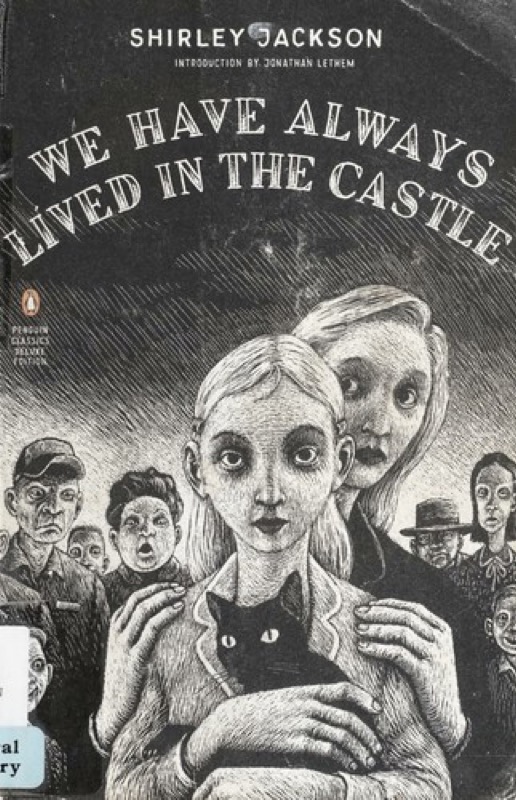
We Have Always Lived in the Castle
Hook & thesis
In Shirley Jackson’s haunting novella, We Have Always Lived in the Castle, the author deftly explores the entangled threads of isolation and familial loyalty through the eyes of its enigmatic protagonist, Mary Katherine Blackwood. Verdict: This is a masterclass in gothic horror that reveals how love can become both a sanctuary and a prison.
The contextual pivot
Nestled firmly within the gothic-horror-romance genre, Jackson’s work stands alongside classics like The Haunting of Hill House and Rebecca, yet it carves its own niche with an intimate focus on psychological depth and familial bonds. The invisible audience likely includes readers drawn to the macabre intricacies of human relationships, particularly those who appreciate the subtlety of an unreliable narrator. Jackson’s capacity to blend the eerie with the emotional resonates, bridging the gap between genre aficionados and general readers alike.
Deep-dive critique
We Have Always Lived in the Castle masterfully employs a first-person point of view that immerses readers in Mary Katherine’s troubled psyche, which is both a strength and a potential pitfall. The pacing is deliberately slow, allowing tension to simmer beneath the surface and providing insight into the characters’ motivations. Jackson’s prose is both lyrical and unsettling, creating a world where every description, from the decaying castle to the oppressive rural landscape, contributes to the overarching themes of isolation and madness.
The character development, particularly of Mary and her sister Constance, is rich and layered. The dynamic between the sisters encapsulates both the tenderness of familial love and the destructive power of secrets. As the narrative unfolds, dialogue is sparse yet poignant, ensuring that each interaction is freighted with meaning, while the world-building evokes an atmosphere of claustrophobia and dread. However, some may argue that the ending, while thematically resonant, can feel abrupt and unsatisfying, leaving certain narrative threads tantalizingly unresolved.
Discussion launchpad
This novella invites debate on the complexities of loyalty and the thin line between protection and confinement within familial relationships. The unsettling atmosphere paired with the psychological unraveling of its characters raises questions about the nature of sanity and the effects of societal ostracism.
Questions for the room:
- How does Mary Katherine’s perspective shape our understanding of her actions — do we empathize or recoil?
- In what ways does the setting of the Blackwood estate function as a character of its own?
- How does Jackson’s treatment of mental illness inform our reading of the sisters’ relationship?
- What role does the community play in reinforcing the Blackwoods’ isolation — can they be blamed for their fate?
- Does the novella’s ending provide a sense of closure or amplify the feeling of dread?
#TheOrchidRoom #gothic #horrorromance #psychological #sisters