
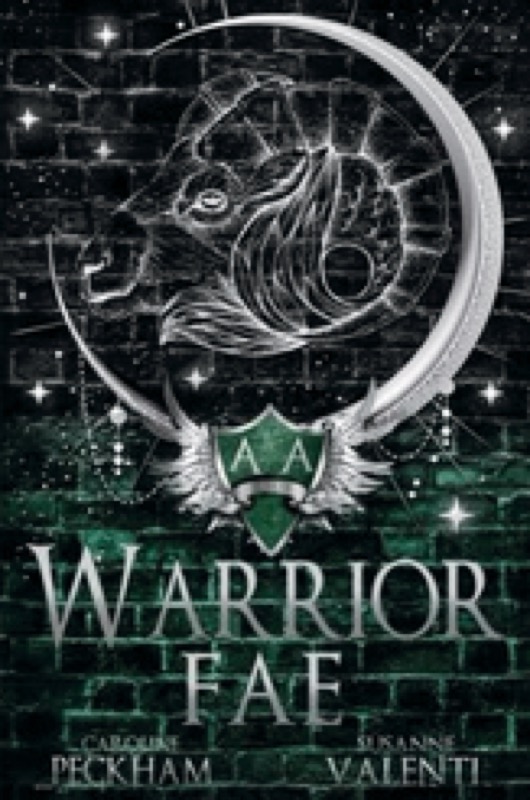
Warrior Fae
Hook & thesis
In Warrior Fae, Caroline Peckham and Susanne Valenti deftly weave a narrative that explores the intricate dance between power and desire within a world steeped in war and dark enchantment. Verdict: This book is a tantalizing exploration of the shadows that love can cast, revealing the price of passion amid ruthless ambition.
The contextual pivot
Warrior Fae occupies a distinct niche within the reverse-harem genre, echoing tropes familiar to fans of dark romance but pushing the boundaries into areas saturated with intrigue and conflict. The authors, known for their gripping narratives that often feature morally complex characters, return to the themes of desire and dominance, reminiscent of works by Sarah J. Maas and Jennifer L. Armentrout. The invisible audience here is twofold — dedicated readers of reverse-harem narratives alongside those seeking darker, more intricate storytelling. The book successfully bridges niche tropes with broader appeal, drawing in readers who appreciate the tension between human vulnerability and supernatural stakes.
Deep-dive critique
The structure of Warrior Fae is carefully constructed to enhance its thematic focus on the interplay of power dynamics and romantic entanglements. The alternating perspectives between the protagonist and her suitors offer insight into their motivations, allowing readers to grapple with the complexities of loyalty and betrayal. This choice effectively maintains pacing, driving the reader deeper into the heart of the conflict while also cultivating a sense of impending doom, fitting for a narrative marked by war.
Moreover, the authors excel in world-building, crafting a vividly oppressive atmosphere that mirrors the characters’ internal struggles. The lush descriptions of the fae realm juxtapose the brutality of its politics, inviting readers to linger in the tension that arises from beauty intertwined with danger. Dialogue is sharp and laden with subtext, enhancing the emotional stakes without overt exposition. However, moments of explicit content may detract from the world-building for some; while they are integral to character development, the intensity of these scenes can overshadow narrative pacing in parts. The ending, while satisfying in its hints of resolution, raises questions about the characters’ ultimate fates, leaving readers yearning for more.
Discussion launchpad
Warrior Fae is rife with polarities that can spark invigorating debate among readers. On one hand, some may appreciate the unabashed exploration of dark themes, while others might find it distasteful or excessive. The ambivalence of the characters further complicates their likability, opening discussions on morality within fiction.
Questions for the room:
- How do the power dynamics in Warrior Fae reflect real-world relationships, and do they serve to critique or reinforce societal norms?
- In what ways does the book challenge traditional romantic tropes, and is this subversion effective?
- Can we separate enjoyment of the characters from their moral ambiguity, or does that complicate our connection to the narrative?
- Does the explicit content enhance or distract from the emotional core of the story?
- What implications does the ending hold for the potential continuation of the series, and is it earned?
#TheOrchidRoom #reverseharem #darkromance #ruthlessboys #fae