
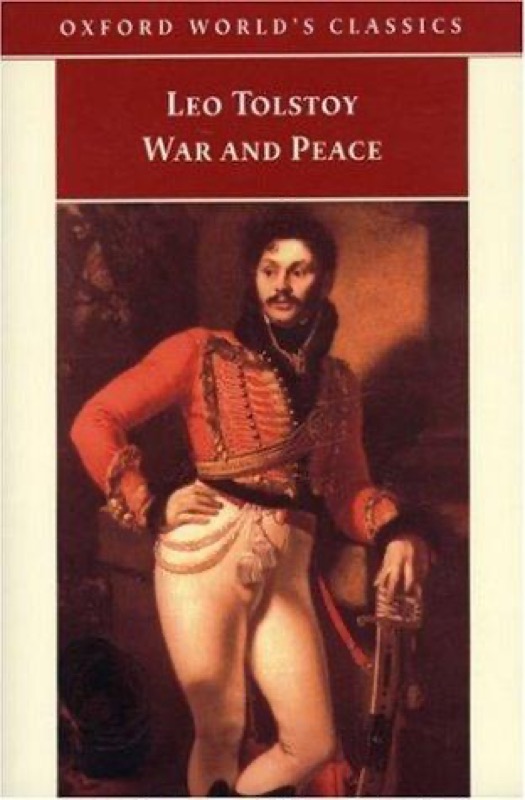
War and Peace
Hook & thesis
Leo Tolstoy’s War and Peace serves as an epic canvas that explores the tumult of human experience against the backdrop of war, history, and the quest for meaning. Verdict: This profound narrative triumphs by merging the personal with the political, revealing the ineffable bonds that connect humanity amid chaos.
The contextual pivot
War and Peace occupies a unique space within the literary canon, straddling historical fiction and philosophical treatise, which sets it apart from contemporaries like Victor Hugo and Charles Dickens. Tolstoy’s work dives into the intricacies of Russian society during the Napoleonic Wars, yet it also poses existential questions comparable to those found in the writings of philosophers like Kant and Nietzsche. The novel’s dual appeal—serving both as a gripping tale of personal and societal upheaval—makes it accessible to a diverse audience, while still satisfying the scholarly readers who appreciate its nuanced exploration of moral philosophy and human psychology.
Deep-dive critique
The novel’s sprawling structure, with its interwoven narratives and numerous character arcs, serves as a testament to Tolstoy’s ambition, though it can lead to a sense of overwhelming complexity. The pacing fluctuates dramatically, with sections of intimate character study interrupted by sweeping descriptions of battlefield strategy and societal upheaval. This juxtaposition can be jarring, but it reflects the chaos of historical events. For instance, the characters of Pierre and Andrei grapple with their identities, echoing the larger questions of agency and fate that permeate the text. Tolstoy’s prose shines in its vivid imagery and emotional depth, though some dialogue can feel didactic, pushing philosophical ideas at the expense of character authenticity. The ending, which offers a resolution to many character arcs while leaving existential questions open, feels both earned and frustrating, capturing the ambivalence of life itself.
Discussion launchpad
War and Peace invites debate on several polarizing themes, particularly regarding its portrayal of war and the depth of its characters.
- Questions for the room:
- Does Tolstoy’s philosophical approach enhance or detract from character development?
- How does the portrayal of war in War and Peace compare to modern depictions of conflict in literature?
- What role does fate play in the lives of the characters, and how does this reflect on Tolstoy’s own beliefs?
- To what extent does the historical context shape the narrative, and can it be separated from the personal?
- How does Tolstoy balance the tension between individual desires and societal expectations?
#CollegeLit #FreshmanYear #Canon #WarAndPeace #LeoTolstoy