
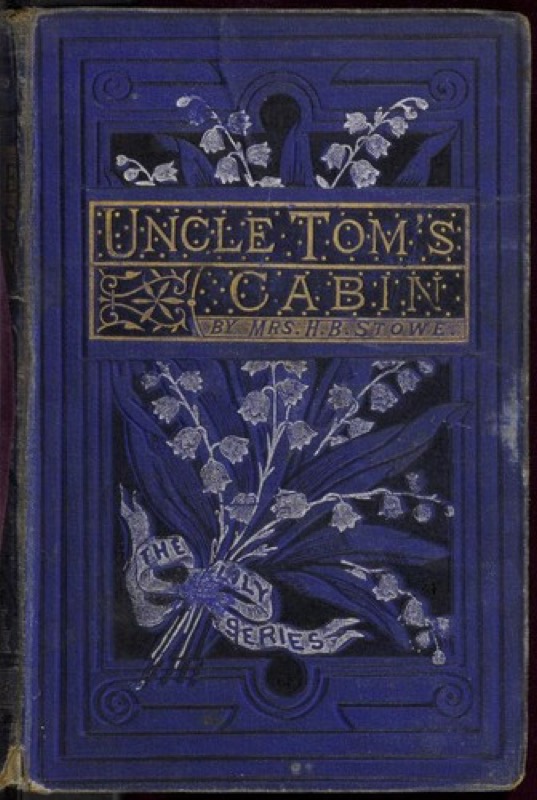
Uncle Tom’s Cabin
Hook & thesis
Harriet Beecher Stowe’s Uncle Tom’s Cabin is a harrowing exploration of the moral complexities and human suffering woven into the fabric of American slavery. Verdict: This novel is a powerful indictment of systemic evil, though its earnest moralizing risks overshadowing the humanity of its characters.
The contextual pivot
Positioned within the dark-thriller genre, Stowe’s work transcends mere historical narrative to challenge the very conscience of its audience in the antebellum period. Unlike the Gothic tales of Poe or the romantic struggles found in Brontë’s works, Uncle Tom’s Cabin directly confronts the horrors of slavery with an emotional intensity that seeks to elicit empathy—and action—from its readers. Stowe bridges the gap between niche abolitionist rhetoric and popular fiction, appealing to a general readership while crafting a narrative that demands social responsibility.
Deep-dive critique
Stowe’s structural choices, particularly her use of multiple perspectives, create a tapestry of voices that reveals the pervasive trauma of slavery. The pacing, however, can falter as moral messages at times overshadow character development; the characters, especially Tom, become symbols rather than fully fleshed-out individuals, risking reader disengagement. The dialogue, while imbued with regional dialects, occasionally strays into preachiness, undermining the immediacy of emotional moments. For instance, the climactic moments of violence are visceral, yet often feel overshadowed by the moral discourse that follows, affecting the novel’s balance of horror and action. The ending, while intended to evoke hope, may feel unearned to modern readers who expect a more nuanced resolution to such systemic issues.
Discussion launchpad
Stowe’s work polarizes as it vacillates between deep empathy for its characters and a problematic tendency to moralize, which can alienate contemporary readers. The struggle of representation in a narrative centered on oppression raises questions about voice and agency.
Questions for the room:
- Does the moral imperative of the novel detract from character complexity?
- How do Stowe’s choices reflect or contradict modern understandings of trauma and representation in literature?
- In what ways does the novel succeed or fail in humanizing its characters within its political agenda?
- How does the portrayal of slavery in Stowe’s work compare to other contemporary narratives?
#LiteraryAnalysis #GothicEdge #TheOrchidRoom #darkthriller #historical