
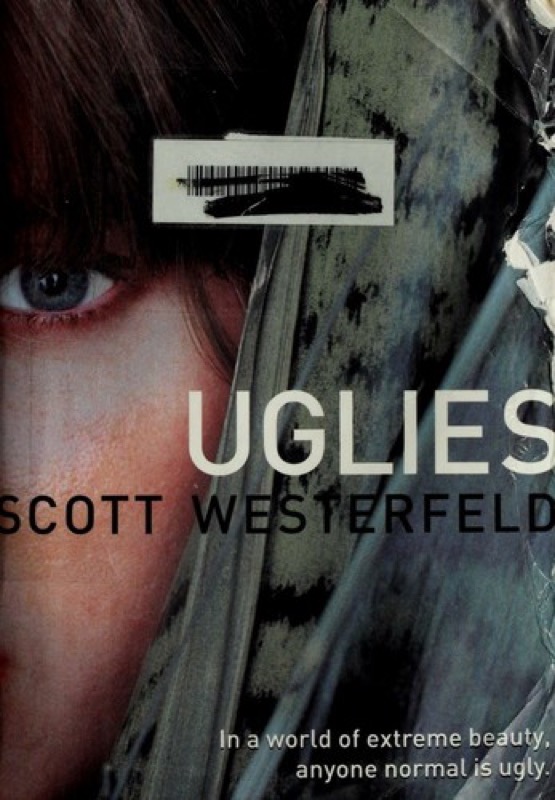
Uglies (Uglies, #1)
Uglies Series Book 1
Hook & thesis
In Scott Westerfeld’s Uglies, the pursuit of beauty morphs into a societal mandate, revealing the dark undercurrents of identity and conformity. Verdict: This provocative exploration of societal norms and personal autonomy offers a compelling critique of beauty standards while delivering a thought-provoking narrative that resonates deeply.
The contextual pivot
Uglies nestles within the dystopian genre, akin to classics like The Giver by Lois Lowry and Brave New World by Aldous Huxley, where conformity is enforced at a societal level. Westerfeld’s work extends beyond mere entertainment; it serves as a cautionary tale for a world increasingly obsessed with superficial appearances. The invisible audience comprises young adults grappling with their self-image in an era dominated by media portrayals of ‘ideal’ beauty. Westerfeld effectively bridges niche themes of identity and societal norms, making these concepts accessible to a broader readership.
Deep-dive critique
Westerfeld’s structure employs a linear timeline that mirrors protagonist Tally Youngblood’s journey from innocence to awareness, effectively maintaining pacing that builds tension as the narrative unfolds. The third-person limited point of view provides an intimate connection to Tally’s internal conflict, yet it also risks creating narrative distance during pivotal moments. For instance, Tally’s emotional arc is often overshadowed by the extensive world-building that, while vivid, sometimes feels overwhelming. The prose is sharp and engaging, allowing for poignant dialogue that captures the characters’ struggles, particularly in scenes where Tally grapples with her self-worth against societal expectations.
However, the ending feels somewhat rushed, lacking the depth of resolution one might expect from such a weighty thematic exploration. The climactic moments, while thrilling, fail to fully address the ethical implications of the societal pressures introduced earlier in the story. This oversight leaves the reader craving a more nuanced conclusion.
Discussion launchpad
While Uglies expertly critiques modern beauty standards, its handling of character development and thematic resolution invites debate.
- How effectively does the narrative balance the exploration of identity against the societal backdrop?
- Does the ending undermine the weight of the themes presented throughout the novel?
- Are the dystopian elements relatable or too far-fetched for contemporary readers?
- In what ways does Uglies reflect or challenge current societal standards of beauty?
Questions for the room:
- What aspects of Tally’s journey resonate most with your own experiences?
- How does Westerfeld’s portrayal of beauty influence your interpretation of the characters’ motivations?
- What alternative endings could enhance the themes of identity and autonomy?
#LiteraryAnalysis #darkthriller #societalnorms #identity #theorchidroom