
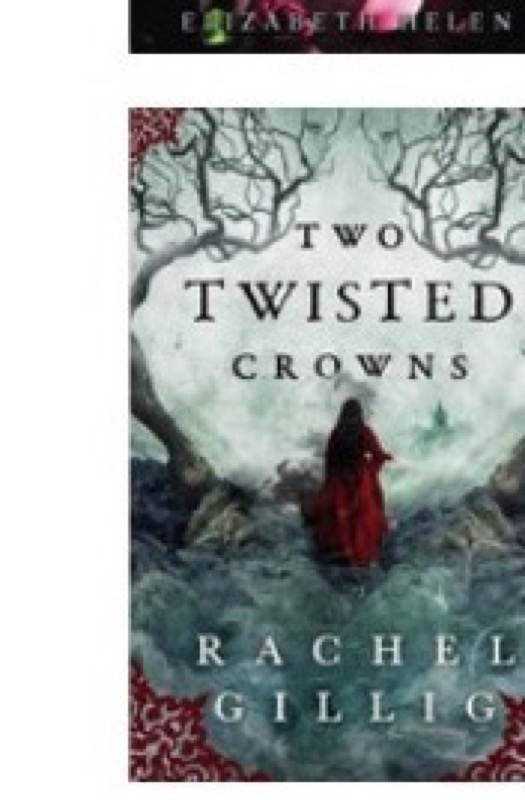
Two Twisted Crowns
Hook & thesis
In Rachel Gillig’s Two Twisted Crowns, the author deftly interweaves a tale of ambition, betrayal, and the intoxicating allure of power set against a backdrop of dark fantasy. Verdict: This novel thrives on its exploration of desire’s corrupting influence, crafting a world where love and ambition are inextricably entwined, revealing that the pursuit of power often comes at an unspeakable cost.
The contextual pivot
Two Twisted Crowns occupies a unique niche within the fantasy-romance genre, blending elements of gothic romance with traditional fairy tale motifs. Gillig’s work echoes the style of authors like Sarah J. Maas and Holly Black, yet it carves its own path by daring to plunge deeper into the shadows of human emotion and ambition. The invisible audience here is likely composed of readers who crave more than mere escapism; they desire a narrative that questions moral ambiguity, the nature of desire, and the complexities of relational power dynamics. In this sense, Gillig bridges niche tropes with broader themes, appealing to both seasoned fantasy enthusiasts and newcomers drawn in by the promise of romance entwined with darker elements.
Deep-dive critique
Gillig’s masterful command of pacing plays a crucial role in Two Twisted Crowns. The alternating perspectives allow for a rich exploration of character motivations, particularly the internal conflicts faced by the protagonists. The narrative unfolds in a nonlinear fashion, enhancing the tension between desire and betrayal, as past choices reverberate through the present. This structure serves to keep readers on edge, mirroring the characters’ emotional turmoil and heightening the stakes of their decisions.
Craft-wise, Gillig excels in her evocative prose, conjuring vivid imagery that immerses readers in the eerie landscapes and the charged atmosphere of desire. The dialogue is sharp and taut, revealing the characters’ vulnerabilities while maintaining an underlying tension. However, a few moments suffer from predictability, especially in character arcs where the twists feel somewhat anticipated. This slight mechanical flaw detracts from the overall impact of the plot’s climactic revelations, leaving a sense of untapped potential. Nevertheless, the ending resonates powerfully, underscoring the price of ambition and the haunting consequences of choices made in the name of love.
Discussion launchpad
The interplay of power, desire, and moral ambiguity in Two Twisted Crowns invites rich debate and introspection. Readers may grapple with the ethical implications of the characters’ actions and the extent to which ambition justifies betrayal.
Questions for the room:
- How does the duality of love and ambition manifest in the characters’ relationships?
- In what ways does this novel challenge or reinforce typical fantasy-romance tropes?
- Are the characters’ moral failings redeemed by their desires, or do they ultimately lead to their downfall?
- How does the gothic atmosphere enhance the themes of desire and betrayal?
- What are the implications of the book’s ending on the overarching themes of power and love?
#TheOrchidRoom #fantasyromance #romantasy #darkromance #two #twisted