
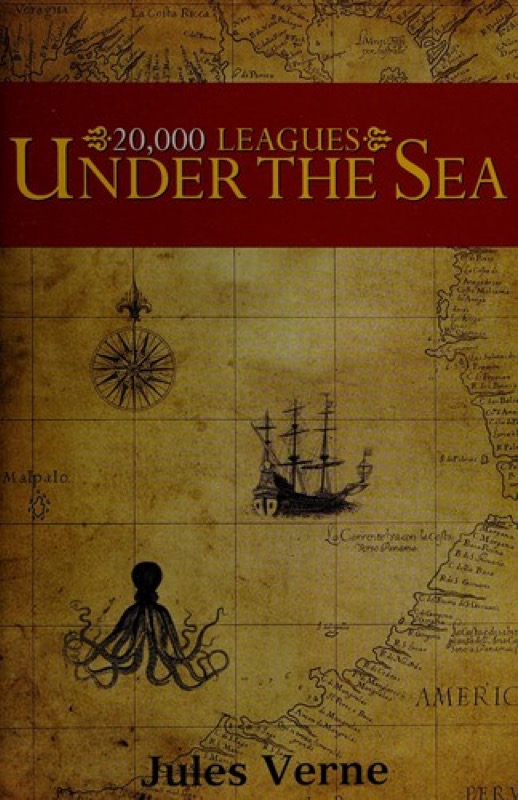
Twenty Thousand Leagues Under the Sea
Hook & thesis
Twenty Thousand Leagues Under the Sea by Jules Verne is a thrilling exploration of human ambition and the consequences of curiosity. Verdict: This classic stands as a testament to the power of imagination and scientific exploration, inviting readers to ponder the ethical dimensions of technological advancement.
The contextual pivot
Set within the realm of classic literature, Verne’s work sits at the intersection of adventure and science fiction, pioneering themes that would shape the genre for years to come. Unlike contemporaries who focused on straightforward adventure, Verne’s narrative weaves intricate scientific details into thrilling escapades, appealing to both young readers and adults. The book bridges niche tropes of undersea exploration with broader themes of humanity’s relationship with nature, resembling works by authors like H.G. Wells, yet maintaining its unique voice.
Deep-dive critique
Verne’s narrative structure employs a first-person perspective through Professor Aronnax, which enriches the reader’s experience and provides an intimate glimpse into the wonders and dangers of the underwater world. The pacing balances awe and tension, as Aronnax navigates the complexities of Captain Nemo’s character, who is both fascinating and morally ambiguous. The dialogue is reflective of the time, yet it serves to highlight Nemo’s inner conflicts, propelling the narrative forward. However, some may find the lengthy descriptions of sea life and technology a bit overwhelming, potentially disrupting the story’s flow. The ending, while thought-provoking, leaves room for interpretation regarding Nemo’s fate, prompting the reader to evaluate their own stance on escapism versus accountability.
Discussion launchpad
The novel raises intriguing questions about the balance between exploration and ethical responsibility. Questions for the room:
- How does Nemo embody the conflict between humanity and nature?
- Is the pursuit of knowledge worth the potential consequences depicted in the book?
- How do Verne’s scientific details enhance or detract from the story?
- In what ways does the book reflect contemporary issues regarding environmentalism?
- Does the ending offer a resolution, or does it leave too many questions unanswered?
#BookReport #Grade7 #ClassicLiterature #Adventure #ScienceFiction