
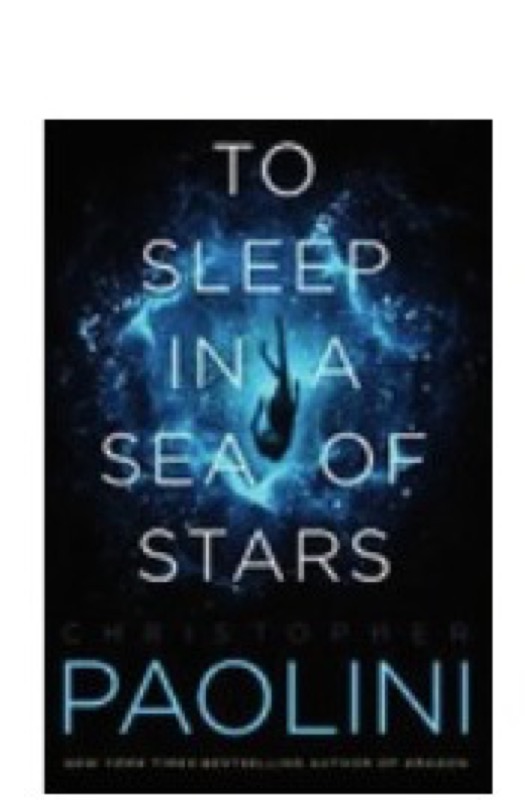
To Sleep in a Sea of Stars
Hook & thesis
Christopher Paolini’s “To Sleep in a Sea of Stars” is an expansive exploration of love and identity set against the backdrop of an interstellar conflict. Verdict: This ambitious narrative, while occasionally bloated, ultimately succeeds in weaving a tapestry of human connection amidst the chaos of war and the unknown.
The contextual pivot
Positioned within the fantasy-romance genre, Paolini’s work straddles the line between traditional space opera and contemporary romantic undertones, reminiscent of authors like Ann Leckie and C.S. Friedman. The novel invites readers familiar with the tropes of intergalactic adventure while also appealing to those with a penchant for emotional depth. This synthesis of genres creates a bridge for both niche enthusiasts and general readers, allowing for a broad exploration of themes like love, loss, and the transformative power of connection against a backdrop of alien contact and war.
Deep-dive critique
Crafted with ambition, Paolini’s prose is often both lyrical and grandiose, mirroring the vastness of his universe. The pacing, however, is a double-edged sword; the narrative sweeps through moments of intense emotional gravity alongside lengthy exposition. This can lead to a disjointed reading experience, at times overshadowing character development with world-building. The duality of the protagonist’s journey—straddling self-discovery and cosmic adventure—highlights the thematic success of the novel, showcasing how desire and personal evolution can exist within a larger narrative of conflict.
Characterization shines in Kira, who grapples with her evolving identity in the wake of alien encounters. Paolini’s attention to psychological depth is commendable, though secondary characters occasionally fall into archetypal roles, limiting their impact. Dialogue serves the purpose of advancing plot but occasionally lacks the nuanced layers that could elevate interpersonal dynamics. The incorporation of science fiction elements, particularly the concept of first contact, cleverly intertwines with the romance at its core, yet the sheer volume of content can dilute the urgency of Kira’s emotional stakes.
The ending, while satisfying in its resolution, leaves some thematic threads intriguingly open, inviting readers to reflect on the broader implications of the story’s conflicts—both personal and universal. This duality ensures that the narrative resonates long after the final page is turned, despite its structural flaws.
Discussion launchpad
The intersection of romance and war in Paolini’s narrative creates a fertile ground for debate. How do personal stakes influence broader themes of conflict, and can love truly thrive in the void of war?
Questions for the room:
- What are the implications of Kira’s journey on our understanding of identity in times of crisis?
- Does the romance enhance or detract from the sci-fi elements?
- How do the narrative’s pacing issues affect emotional engagement?
- In what ways do the tropes used resonate with or challenge expectations in the genre?
- What remains unaddressed in the exploration of alien contact and its impact on human relationships?
#TheOrchidRoom #fantasyromance #romantasy #darkromance #spaceopera