
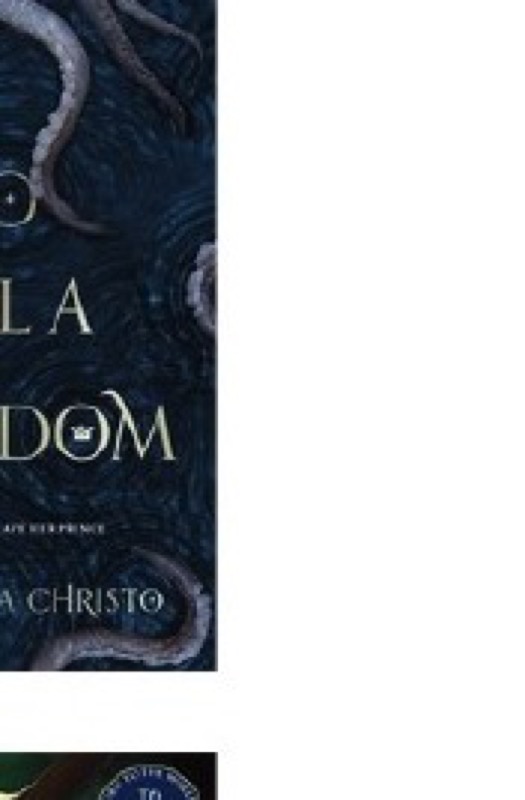
To Kill a Kingdom
To save her prince
Hook & thesis
Alexandra Christo’s To Kill a Kingdom plunges readers into a tempestuous sea of desire and vengeance, where the stakes are as high as the tides. At its core, the book grapples with the conflict between duty and the primal urge to break free, questioning what it means to love in a world steeped in blood and betrayal. Verdict: This narrative seduces and ensnares, serving as a captivating exploration of the siren’s song that lures us toward destruction.
The contextual pivot
Positioned within the fantasy-romance genre, To Kill a Kingdom artfully intertwines classic fairy tale elements with contemporary sensibilities, echoing the works of authors like Sarah J. Maas and Holly Black. Christo crafts a world where mermaids are not merely enchanting, but lethal, inviting readers to navigate a dark retelling of the Little Mermaid legend. The narrative deftly bridges niche tropes—like enemies-to-lovers and revenge—while appealing to a broader audience seeking depth amidst the shimmering surface of romance.
Deep-dive critique
Christo employs a dual perspective to effectively heighten tension, alternating between Lira, the tempestuous siren princess, and Elian, the prince determined to destroy her. This structure not only deepens the characterizations but also allows readers to understand the multifaceted nature of hatred and love. The pacing is relentless, mirroring the urgency of Lira’s transformation from a predatory creature to a more humanized figure who grapples with her own desires.
The prose is imbued with a lyrical quality, enhancing the fantastical elements while simultaneously grounding the characters in their emotional struggles. Christo’s dialogue crackles with wit, revealing personality and motivation without losing momentum. However, some secondary characters feel underdeveloped, particularly the supporting cast that could have enriched the world-building. The ending, while satisfying, skirts the edges of predictability, potentially leaving some readers yearning for a deeper resolution of the themes of sacrifice and redemption.
Discussion launchpad
The novel invites critical examination of the duality of love and vengeance, leaving readers to grapple with the implications of desire born from conflict. What does it mean to embrace one’s darker nature in the pursuit of love?
Questions for the room:
- How does Christo’s portrayal of mermaids challenge or reinforce traditional archetypes?
- In what ways do the character arcs reflect broader themes of empowerment and sacrifice?
- Can the romantic resolution truly satisfy after such a journey of conflict and moral ambiguity?
- Is the dual perspective an effective narrative choice, or does it dilute the emotional impact of the story?
- What moral complexities are presented, and how do they resonate with contemporary societal issues?
#TheOrchidRoom #fantasyromance #darkromance #enemiestolovers #literaryanalysis