
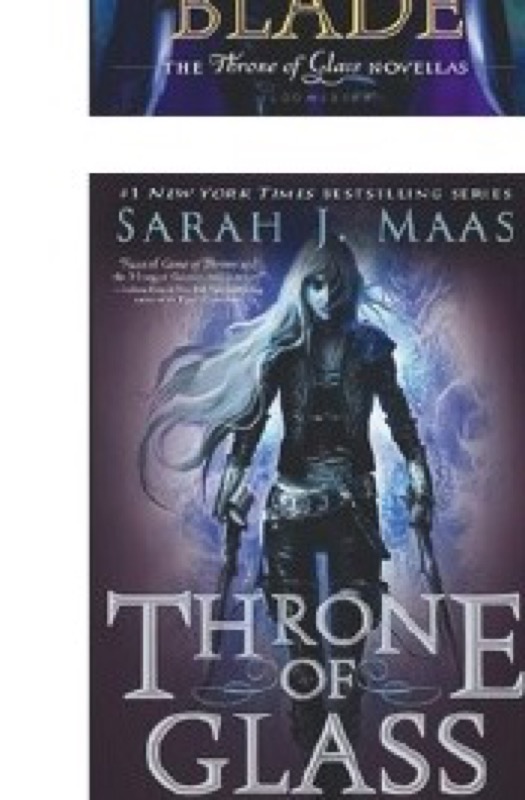
Throne of Glass
#1 New York Times Bestselling Series
Hook & thesis
In Sarah J. Maas’s Throne of Glass, the author crafts a vivid tapestry of ambition, betrayal, and the quest for freedom that transcends the expected confines of fantasy romance. Verdict: This book serves as a gritty exploration of the human spirit engulfed in a world where love and loyalty are as deadly as any blade.
The contextual pivot
Positioned within the fantasy-romance genre, Throne of Glass navigates familiar tropes through a lens that combines the grit of high-stakes competition with the allure of dark magic. Maas, known for her intricate world-building and strong female protagonists, contributes to a sub-genre that has seen a surge in popularity, appealing to both niche fantasy enthusiasts and general readers alike. The invisible audience here is likely composed of young adult readers craving empowerment narratives wrapped in romantic tension, successfully bridging niche fantasy elements with broader themes of resilience and identity.
Deep-dive critique
Maas’s narrative structure is adept at weaving multiple perspectives, which enhances the complexity of character motivations. The pacing ebbs and flows between action-packed sequences and contemplative moments, allowing the reader to savor the tension that hangs between the characters. The protagonist, Celaena Sardothien, is imbued with a fierce duality—she is both a deadly assassin and a yearning soul seeking redemption, which creates a compelling conflict that drives the narrative forward.
The prose sparkles with a sense of urgency, particularly in its dialogue, which often dances between flirtation and threat. This serves to elevate the romantic stakes without losing sight of the broader political machinations at play. However, some may find the initial chapters burdened by exposition, potentially stalling the momentum before the plot thickens. The vivid world-building, characterized by rich descriptions of a kingdom teetering on the brink of collapse, immerses readers but can occasionally overwhelm the central action.
The ending, while satisfying, does leave threads dangling—whether intentionally for future installments or as a flaw in narrative closure is open for debate. The themes of freedom and choice resonate throughout, but they are often interlaced with a sense of inevitability that may leave some readers questioning the degree of agency afforded to the characters.
Discussion launchpad
The interplay of ambition and morality within Throne of Glass provides fertile ground for discussion. How do we reconcile Celaena’s ruthless nature with her vulnerabilities? What does the portrayal of competition say about societal values, especially in relation to female characters?
Questions for the room:
- How does Maas balance the dark elements of the story with moments of levity and romance?
- Do you believe the multiple perspectives enhance or detract from the narrative? Why?
- In what ways do the characters reflect or subvert traditional fantasy tropes?
- How important is the theme of freedom in the characters’ arcs, and does it resonate with contemporary issues?
- What lingering questions do you have about the world or the characters that remain unresolved?
#TheOrchidRoom #fantasyromance #romantasy #darkromance #assassin